Overview
Understanding the german shepherd feeding guide helps owners balance growth, activity, and health․ Start with a large‑breed formula, transition at 12‑18 months, and avoid low‑cost kibble․ Monitor weight, split meals, and adjust calories to prevent bloat․
Feed 2–3 times, adjust portions, monitor weight!!
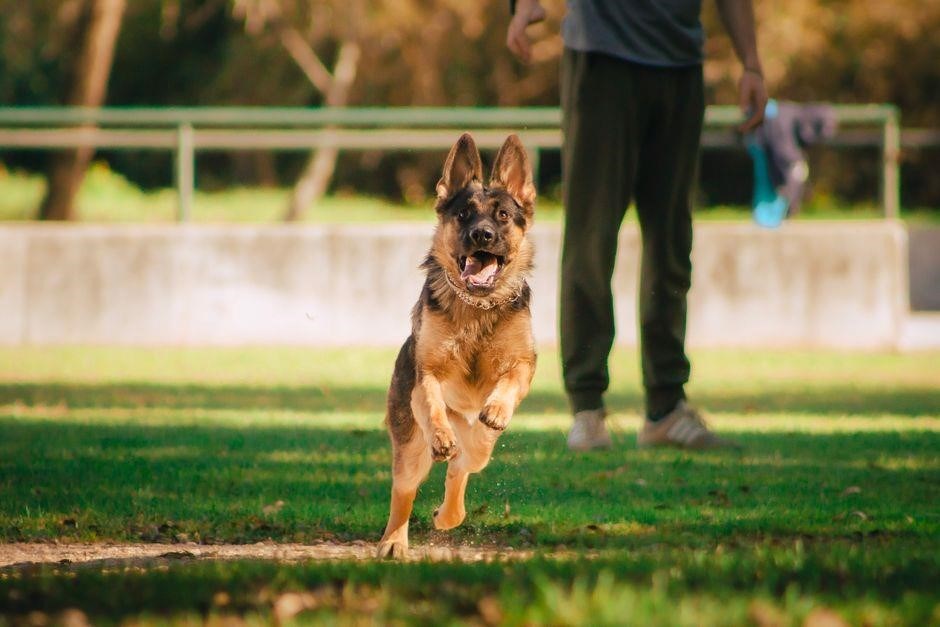
Puppy Feeding Basics
For German Shepherd puppies, start with a large‑breed formula until 12‑18 months․ Feed 3–4 times daily, ensuring each meal is balanced and not excessive․ Monitor weight, avoid overfeeding, and transition to adult kibble when they reach 80% of adult weight․
Keep food fresh and avoid abrupt changes daily now
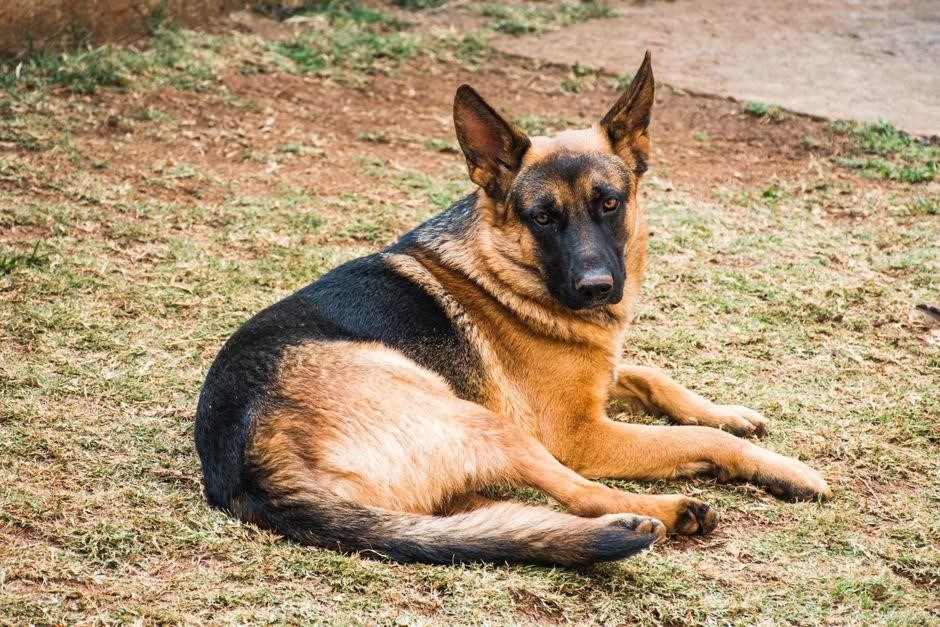
Recommended Puppy Foods
German Shepherd puppies require a diet formulated for large breeds, rich in protein, fat, and essential nutrients to support rapid growth․ A high‑quality large‑breed puppy kibble or wet food should be the first choice․ Look for products that list real meat as the first ingredient, contain moderate fat levels (around 18‑22%), and include joint‑supporting additives such as glucosamine and chondroitin․ Avoid low‑cost generic kibble that relies on fillers, artificial colors, and excessive starches, as these can lead to lethargy, poor mental performance, and long‑term joint problems․
Feeding guidelines recommend 3–4 meals per day for puppies under six months, gradually reducing to 2 meals as they approach adulthood․ Each meal should be sized to maintain a healthy weight—puppies should not exceed 80% of their expected adult weight before 12 months․ Use a calibrated measuring cup or a digital scale to ensure consistency․ Monitor body condition score weekly; if the puppy is gaining weight too quickly, reduce portion size by 10–15% and increase exercise․
Transition to adult food around 12 to 18 months, depending on individual growth․ A smooth switch can be achieved by mixing increasing amounts of adult kibble with the remaining puppy food over a week․ During this period, keep the diet free from excessive treats and avoid feeding table scraps, which can upset the gut and interfere with nutrient absorption․ Regular veterinary check‑ups will confirm that the puppy’s growth curve remains on track and that the chosen food supports optimal bone and joint development․
Consistent feeding times and a balanced diet lay the foundation for a healthy, energetic German Shepherd․
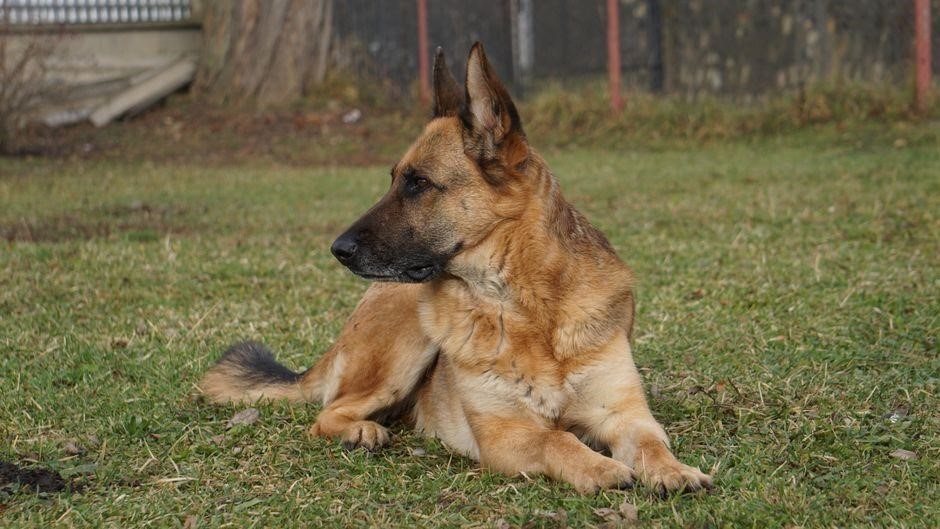
Adult Feeding Guidelines
Adult German Shepherds need balanced calories, 2–3 meals daily․ Adjust portions to maintain ideal weight, avoid overfeeding․ Use high‑protein, moderate‑fat kibble, supplement with joint nutrients․ Monitor weight, body condition, and activity level․ Provide fresh water at all times, and consider a joint supplement daily
Caloric Needs by Activity Level
Caloric intake for a German Shepherd varies with age, weight, and activity․ A general rule is 25–35 kcal per pound for moderate activity and 35–45 kcal per pound for highly active dogs․ For a 70‑lb adult, this translates to roughly 1,750–2,450 kcal daily․ Adjust upward for working or sporting dogs, and downward for less active or senior pets․ Use a food label or a vet calculator to refine portions․ Monitor body condition score, weight, and energy levels, and tweak calories by 5–10 % each week until the ideal weight is achieved․ Always keep fresh water available and avoid over‑feeding treats, which can add 200–400 kcal per week․
Low activity (sedentary) dogs require 20–25 kcal per pound․ Moderate activity (daily walks, light play) 25–35 kcal per pound․ High activity (agility, herding, protection work) 35–45 kcal per pound․ Seasonal changes: in summer, increase by 5–10 % to compensate for heat loss; in winter, reduce by 5–10 % to prevent weight gain․ For puppies 12–18 months, use 30–40 kcal per pound until growth slows․ Always consult your veterinarian for personalized recommendations․
Protein should account for 22–28 % of the diet, with fat 10–15 %․ Include joint supplements like glucosamine and chondroitin for active dogs․ Hydration is critical; a 70‑lb dog drinks 1–1․5 cups of water per 10 lb of body weight daily․ Monitor for signs of over‑feeding: increased panting, lethargy, or abdominal distension․ Adjust portions gradually, never cutting more than 10 % at a time․
Remember that treats should not exceed 10 % of daily calories․
Use a digital scale for measurement․
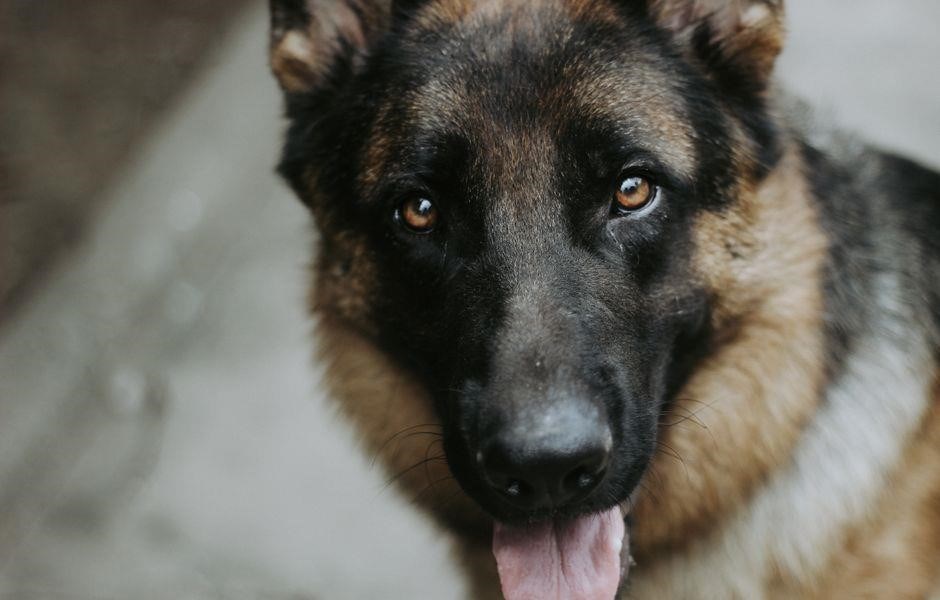
Senior Feeding Considerations
Older German Shepherds need fewer calories, about 20–25 kcal per pound․ Split meals into 2–3 servings, add joint‑support nutrients, and choose high‑quality protein with lower fat․ Monitor weight, adjust portions, and keep water fresh․ Add fiber and antioxidants for joint health!!!
Adjusting Calorie Intake
Senior German Shepherds require a carefully calibrated calorie plan to maintain healthy weight and joint function․ Begin by estimating the dog’s resting metabolic rate (RMR) using the formula: 70 × (body weight in kg)^0․75․ Multiply the RMR by an activity factor (1․2–1․4 for low activity, up to 1․6 for moderate exercise)․ This gives the total daily energy expenditure (TDEE)․ If the dog is overweight, reduce the TDEE by 10–15%; if underweight, increase by 10–15%․ Portion sizes should be divided into 2–3 meals to prevent gastric dilatation‑volvulus․ Monitor body condition score (BCS) weekly; a score of 4–5 on a 9‑point scale indicates optimal weight․ Adjust the calorie target by 5–10% every 4–6 weeks based on weight trend․ Include high‑quality protein (15–20% of calories) to preserve lean muscle, moderate fat (10–12%) for energy, and a low‑glycemic carbohydrate mix to keep blood sugar stable․ Supplement with glucosamine, chondroitin, and omega‑3 fatty acids to support joint health․ Hydration is essential; provide fresh water at all times․ If the dog experiences chronic pain or mobility issues, consult a veterinarian for a tailored diet plan that may involve therapeutic foods or prescription formulas․ Consistency in feeding times and portion control helps maintain metabolic stability and reduces the risk of obesity, which can accelerate joint degeneration and cardiovascular strain․ Regular veterinary check‑ups and body weight logs are essential to fine‑tune the plan, ensuring the dog remains active and comfortable throughout its golden years․ Keep logs updated daily! Soon!!
Portion Control and Meal Frequency
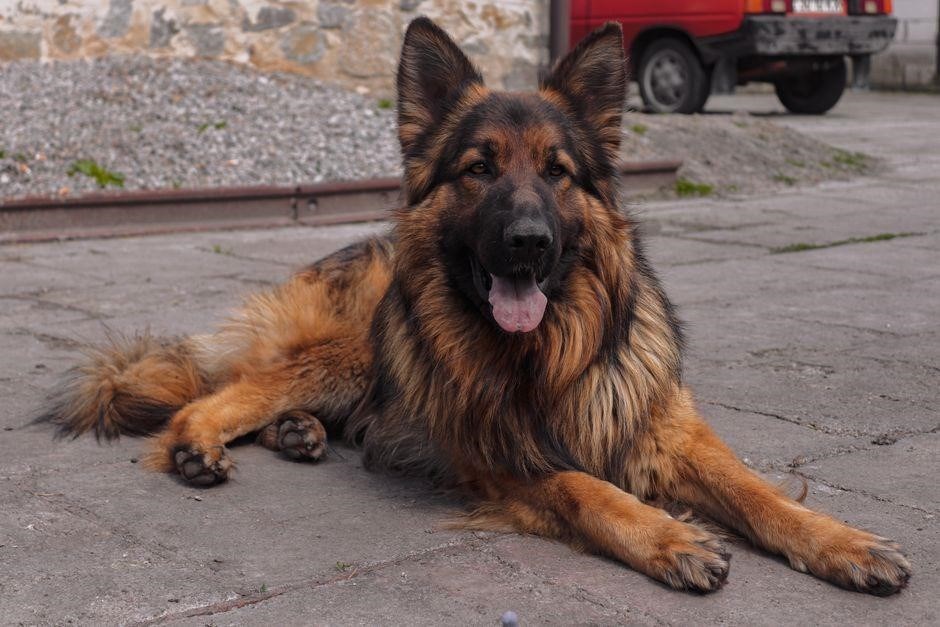
Split meals into 2–3 portions to prevent bloat, especially in deep‑chested breeds․ Use a measuring cup, not eyeballing․ Feed early in the day, avoid exercise right after eating․ Monitor weight weekly; adjust portions by 5–10% as needed․ Measure portions with a scale for precision․ Keep a log to track changes․ Track wt․
Split Meals to Prevent Bloat
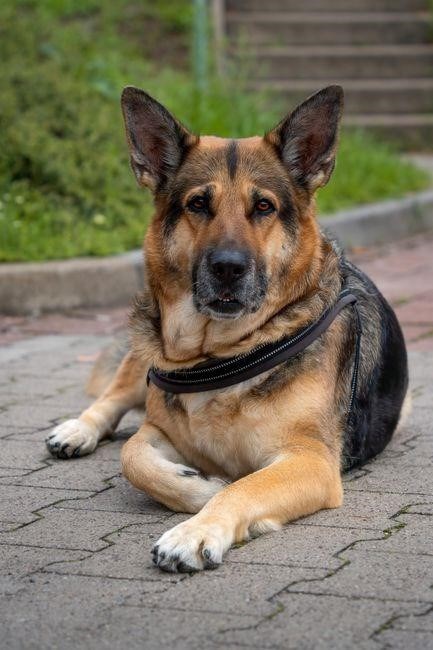
German Shepherds are deep‑chested and prone to gastric dilatation‑volvulus (GDV)․ Feeding a single large meal can rapidly fill the stomach, especially when followed by vigorous activity, creating a dangerous pressure gradient․ The recommended strategy is to divide the daily ration into two or three smaller portions, ideally spaced 4–6 hours apart․ This approach allows the stomach to empty progressively, reducing the risk of rapid distension․ For puppies, start with a high‑protein, large‑breed formula and transition to adult kibble at 12–18 months, but always maintain the split‑meal protocol․ After each meal, wait at least 30–60 minutes before engaging in exercise or play; this buffer helps the digestive tract settle․ In addition to timing, consider the texture of the food: wet or semi‑wet meals can be easier to digest and less likely to cause rapid gastric expansion․ Finally, monitor your dog’s weight and body condition score weekly; if weight gain is rapid, reduce each portion by 5–10 % and reassess․ Consistent split meals, proper timing, and careful portion control are the cornerstone of preventing bloat in German Shepherds․ a common guideline is 1․5–2 cups of kibble per 10 lb of body weight per day, split evenly․ Use a scale․ or weigh․ and!
Owners often schedule meals at consistent times—morning, midday, and early evening—to regulate digestion and curb overeating․ For active dogs, a small high‑fiber treat between meals supports gut motility without excess calories․ Provide fresh water, but avoid large amounts right after eating, as this can dilute stomach acid and slow digestion․ A structured routine also promotes healthy weight and muscle tone!!
Diet Quality and Food Choices
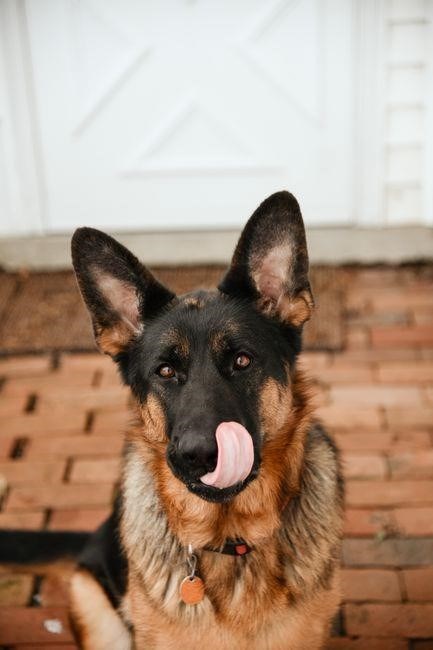
Choose premium, breed‑appropriate kibble․ Avoid low‑cost generic formulas that are fatty and overly processed․ Opt for high‑protein, balanced ingredients, and consider wet or homemade options to support mental and physical performance․ Pick brand with meat first not now fillers!․
Avoiding Low-Cost Generic Kibble
German Shepherds thrive on nutrition that supports their muscular build, joint health, and mental acuity․ When owners choose a low‑cost, generic dry kibble, the product often contains high levels of filler ingredients—corn, wheat, soy, and artificial preservatives—while the protein source is a low‑grade by‑product or a mix of meats․ This composition can lead to several problems: reduced energy, slower recovery after exercise, and a dull, sluggish demeanor that can be mistaken for aging or illness․ In addition, the high carbohydrate load can cause rapid spikes in blood glucose, leading to insulin resistance over time․ The result is a dog that feels tired, has a weaker immune response, and may develop obesity or joint strain․ Premium formulas, on the other hand, list a named animal protein—such as chicken, lamb, or salmon—within the first few ingredients․ They also include a balanced mix of omega‑3 and omega‑6 fatty acids, vitamins, and minerals that support skin, coat, and joint cartilage․ Many high‑quality brands add antioxidants like vitamin E and selenium to help protect muscle tissue from oxidative stress during intense training or daily activity․ A diet that is too high in fillers can also upset a dog’s gut microbiome, leading to digestive upset, diarrhea, or chronic inflammation․ When evaluating a kibble, look for a clear statement of the protein source, a moderate fat percentage (10‑15% for adult dogs), and a low carbohydrate content (under 45% of the total calories)․ Avoid products that use “animal by‑product” or “meat meal” as the primary protein source․ Instead, choose a brand that lists a single animal protein, such as “chicken meal” or “beef meal,” and that includes whole grains or legumes in small amounts․ If you are uncertain, consult your veterinarian or a canine nutritionist to determine the best option for your Shepherd’s size, activity level, and health goals․ Choosing the right kibble is an investment in your Shepherd’s lifelong health and performance․ By choosing kibble that meets these standards, you not only support your Shepherd’s health but also enhance their quality of life, ensuring they remain active, alert, and joyful companions for years to come․ for healthy future!!!
Special Feeding Scenarios
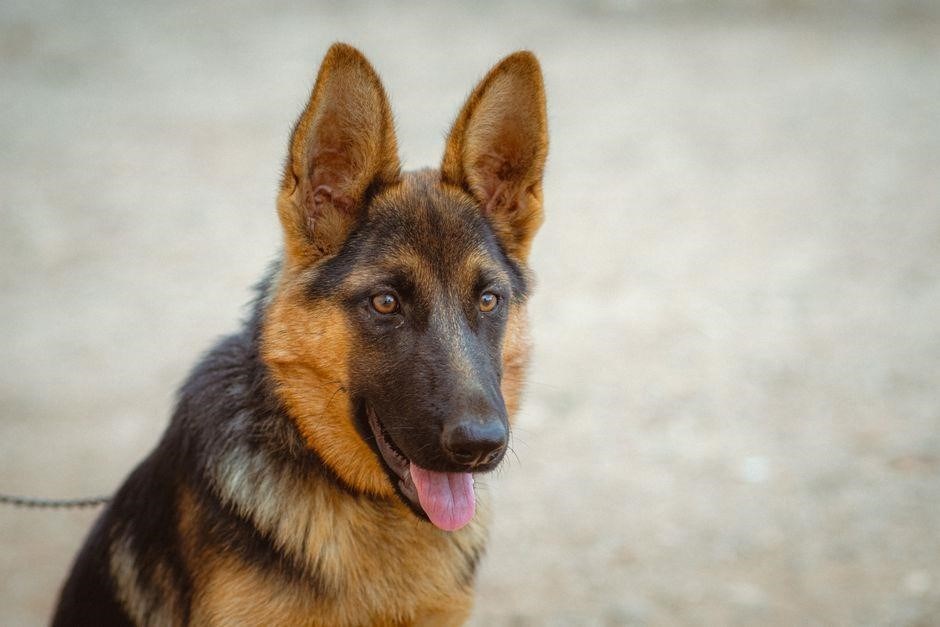
During intense training or long trips, split meals into smaller portions and use high‑protein, low‑carb kibble․ Keep water available, avoid feeding 2–3 hours before exercise, and monitor weight to prevent bloat or dehydration․ Use a slow feeder bowl to reduce gulping and vet now!
Feeding During Exercise and Travel
When a German Shepherd engages in vigorous training or travels for extended periods, nutrition timing and composition become critical․ Begin by feeding a small, high‑protein, low‑carbohydrate meal 2–3 hours before exercise to allow digestion and reduce the risk of gastric dilatation‑volvulus․ Use a slow‑feed bowl or a puzzle feeder to slow intake, ensuring the dog does not gulp air․ During long trips, pack portable, dehydrated kibble or freeze‑dry meals that retain essential nutrients while being lightweight․ Keep a water bottle with a built‑in filter to avoid contaminated sources, and offer water every 30 minutes․ If the dog must eat on the go, split the daily ration into two or three equal portions, and schedule the largest portion at least 4 hours before any strenuous activity․ For flights, consult the airline’s pet policy; many carriers allow a small, pre‑measured snack that can be given 1–2 hours before departure․ After exercise, provide a balanced meal with a moderate portion of carbohydrates to replenish glycogen stores, and include a small amount of fresh vegetables for fiber․ Monitor the dog’s weight and body condition score weekly; adjust the overall caloric intake if the dog gains excess weight or shows signs of fatigue․ Finally, always avoid feeding high‑fat, processed kibble during travel or before exercise, as it can lead to lethargy and digestive upset․ By carefully timing meals, choosing nutrient‑dense foods, and maintaining hydration, owners can support optimal performance and health for their German Shepherd during both training sessions and travel adventures․