Understanding Shoulder Bursitis
Shoulder bursitis profoundly impacts daily life, causing significant discomfort and limiting movement; accessing PDF resources detailing exercises is crucial for effective management․
What is Shoulder Bursitis?
Shoulder bursitis involves inflammation of the bursae – fluid-filled sacs cushioning bones, tendons, and muscles near your shoulder joint․ This inflammation leads to pain and restricted movement, significantly impacting daily activities․ While not always directly addressed in exercises for shoulder bursitis PDF guides, understanding the root cause is vital․ These guides often focus on symptom management through targeted movements․
The condition frequently arises from repetitive motions or injury, causing irritation and swelling․ Many PDF resources emphasize that bursitis often co-exists with other shoulder issues like impingement or rotator cuff problems․ Therefore, a comprehensive approach, often detailed in downloadable exercises, is essential․ Ignoring the underlying cause can lead to chronic pain and limited function, making early intervention and proper exercise technique, as outlined in these PDFs, paramount․
Causes of Shoulder Bursitis
Several factors contribute to shoulder bursitis, often detailed within introductory sections of exercises for shoulder bursitis PDF documents․ Repetitive overhead motions, common in sports or occupations, are a primary cause, irritating the bursae․ Direct trauma, like a fall, can also trigger inflammation․ Underlying conditions, such as arthritis or rotator cuff tears, frequently exacerbate the issue, and PDF guides often acknowledge these connections․
Poor posture and muscle imbalances can contribute by increasing stress on the shoulder joint․ Many exercises for shoulder bursitis PDF resources emphasize strengthening surrounding muscles to improve support and reduce bursal irritation․ Age-related wear and tear also play a role, diminishing the bursae’s resilience․ Understanding these causes, as presented in these PDFs, is crucial for tailoring an effective exercise program and preventing recurrence․ Proper form during exercises is vital, as highlighted in many downloadable guides․
Symptoms of Shoulder Bursitis
Common symptoms of shoulder bursitis, frequently illustrated within exercises for shoulder bursitis PDF guides, include a dull, aching pain in the shoulder, often radiating down the arm․ Pain typically worsens with movement, particularly overhead activities․ Stiffness and limited range of motion are also prevalent, impacting daily tasks․ Some individuals experience tenderness to the touch over the affected bursa, a detail often noted in diagnostic sections of PDF resources․
Inflammation can cause swelling around the shoulder joint, though it may be subtle․ Night pain is a frequent complaint, disrupting sleep․ Many exercises for shoulder bursitis PDF documents emphasize gentle movements to alleviate stiffness․ It’s important to differentiate bursitis from other shoulder conditions, a point often addressed in introductory PDF materials․ Recognizing these symptoms, as detailed in these guides, is the first step towards effective management and targeted exercises․

Diagnosis of Shoulder Bursitis
PDF guides on exercises for shoulder bursitis often recommend a thorough medical evaluation for accurate diagnosis and personalized treatment plans․
Physical Examination
A comprehensive physical examination is the cornerstone of diagnosing shoulder bursitis, often revealing tenderness to palpation around the shoulder joint, particularly over the affected bursa․ Healthcare professionals will assess your range of motion, noting any limitations or pain during specific movements like abduction, flexion, and external rotation․ They’ll also perform specific orthopedic tests – maneuvers designed to provoke pain or assess the integrity of surrounding structures․
While not directly part of the examination, understanding that PDF resources detailing exercises for shoulder bursitis emphasize starting with gentle movements after diagnosis highlights the importance of a correct initial assessment․ The examiner will differentiate bursitis from other conditions like rotator cuff tears or impingement syndrome․ Observing how you perform simple tasks can also provide valuable clues․ Accurate diagnosis guides the selection of appropriate exercises, often found within these PDF guides, tailored to your specific condition and pain level․
Imaging Tests (X-rays, MRI)
While a physical exam often suggests shoulder bursitis, imaging tests help confirm the diagnosis and rule out other potential causes of shoulder pain․ X-rays primarily assess the bone structure, identifying any arthritis or bone spurs that might contribute to impingement․ However, they don’t visualize the bursa itself․ An MRI (Magnetic Resonance Imaging) provides detailed images of soft tissues, clearly showing inflammation within the bursa and any associated rotator cuff issues․
Understanding the findings from these tests is crucial before starting any exercise program, often detailed in PDF guides for shoulder bursitis․ These PDF resources frequently emphasize tailoring exercises to the specific pathology revealed by imaging․ The MRI can also help determine the severity of bursitis and identify any underlying structural problems that need addressing․ Accurate imaging guides safe and effective rehabilitation, ensuring exercises don’t exacerbate the condition․

Exercises for Shoulder Bursitis ― General Principles
PDF guides highlight that gentle, progressive exercises are key; always prioritize pain-free movement and proper form for optimal shoulder bursitis recovery․
Importance of Gentle Movements
PDF resources consistently emphasize the paramount importance of initiating shoulder rehabilitation with exceptionally gentle movements․ Aggressive or forceful exercises can exacerbate inflammation and pain, hindering the healing process․ The goal in the early stages isn’t to build strength, but to maintain a degree of mobility without causing distress․
These initial movements aim to prevent stiffness and promote circulation within the shoulder joint․ Many PDF guides recommend starting with passive range of motion exercises, where an external force (like gravity or another person) moves the arm, rather than the individual actively contracting muscles․ This minimizes stress on the inflamed bursa․

Gradual progression is vital; only increase the range of motion or intensity when pain allows․ Listening to your body’s signals is crucial – any sharp or increasing pain indicates the need to scale back․ Gentle movements lay the foundation for more robust exercises later in the rehabilitation journey․
Warm-up Before Exercise
PDF rehabilitation protocols for shoulder bursitis universally stress the necessity of a thorough warm-up prior to any exercise session․ A proper warm-up prepares the shoulder joint and surrounding muscles for activity, reducing the risk of further irritation or injury․ This isn’t merely about increasing blood flow; it’s about priming the neuromuscular system․
Effective warm-ups often include light cardiovascular activity, such as arm circles or gentle shoulder shrugs, to elevate the tissue temperature․ Many PDF guides suggest incorporating dynamic stretching – controlled movements that take the joint through its range of motion – rather than static stretching, which can sometimes exacerbate pain․
A five to ten-minute warm-up is generally recommended, focusing on movements that mimic the exercises to be performed․ This prepares the bursa and tendons for the demands of the workout, optimizing performance and minimizing discomfort․ Remember, a well-prepared shoulder is a more resilient shoulder․
Listen to Your Body
PDF resources on shoulder bursitis rehabilitation consistently emphasize the paramount importance of heeding your body’s signals․ Pain is a crucial indicator; pushing through significant discomfort can worsen inflammation and impede recovery․ The goal isn’t to achieve a pain-free range of motion immediately, but to gradually improve function without exacerbating symptoms․
Many PDF guides advise modifying exercises if they cause sharp or increasing pain․ This might involve reducing the range of motion, decreasing the resistance (with exercise bands, for example), or temporarily discontinuing the exercise altogether․ It’s vital to differentiate between mild discomfort and pain that suggests tissue irritation․
Pay attention to how your shoulder feels during and after exercise․ Delayed onset muscle soreness (DOMS) is normal, but persistent or worsening pain requires attention․ Respect your body’s limits, and adjust your program accordingly for optimal healing․

Phase 1: Early Stage Exercises (Pain Reduction)
PDF guides detail gentle movements like pendulum exercises and finger walks to minimize pain and inflammation, initiating the recovery process carefully․
Pendulum Exercises
Pendulum exercises, frequently detailed in shoulder bursitis PDF rehabilitation guides, are a cornerstone of Phase 1 recovery, focusing on gentle, pain-free movement․ Begin by leaning forward, supporting yourself with your good arm․ Allow the affected arm to hang freely, like a pendulum․ Initiate small, circular motions – clockwise and counterclockwise – using your body weight, not your shoulder muscles․
Gradually increase the range of motion as comfort allows, but never force the movement․ Also, try swinging the arm forward and backward, and side to side․ These movements help to reduce inflammation, improve circulation, and gently restore range of motion without stressing the injured bursa․ PDF resources often recommend performing these exercises for 1-2 minutes, several times a day․ Remember to stop immediately if you experience any sharp pain․
Finger Walks
Finger walks, commonly illustrated in shoulder bursitis PDF rehabilitation protocols, are another foundational exercise in Phase 1, designed to improve shoulder range of motion with minimal strain․ Face a wall, positioning your affected arm outstretched with your fingers lightly touching the wall․ Slowly “walk” your fingers up the wall, as high as comfortably possible, keeping your elbow relatively straight․
Hold briefly at the top, then slowly walk your fingers back down․ Repeat this movement 10-15 times․ PDF guides emphasize maintaining a pain-free range of motion; avoid pushing through discomfort․ This exercise gently mobilizes the shoulder joint and helps to reduce stiffness․ It’s crucial to focus on controlled movements and avoid compensating with other muscles․ Perform several sets throughout the day, as tolerated․
Passive Range of Motion
Passive Range of Motion (PROM) exercises, frequently detailed in shoulder bursitis PDF guides, involve an external force moving your shoulder, rather than your own muscle contractions․ This is particularly beneficial in the early stages when active movement is painful or limited․ A therapist, or even a healthy arm, can gently move your affected arm through its full range of motion – forward, backward, sideways, and rotations․
PDF resources stress the importance of relaxation during PROM; avoid tensing your muscles․ The goal is to maintain joint flexibility and prevent stiffness without aggravating the bursitis․ Typically, 10-15 repetitions of each movement are recommended, performed slowly and smoothly․ This technique helps to lubricate the joint and improve circulation, promoting healing and reducing pain․

Phase 2: Intermediate Stage Exercises (Strengthening)
PDF guides highlight isometric exercises and resistance band work to rebuild strength, cautiously progressing after pain subsides, crucial for shoulder stability․
Isometric Exercises
Isometric exercises are foundational in Phase 2, detailed in many shoulder bursitis PDF rehabilitation protocols․ These involve contracting the shoulder muscles without actually moving the joint, minimizing stress on the inflamed bursa․ A common example is pressing your palm against a wall – apply force as if pushing, but don’t let your arm move․
Hold each contraction for 5-10 seconds, repeating 10-15 times․ Variations include internal and external rotation isometrics, and abduction/adduction isometrics․ PDF resources emphasize starting with low intensity and gradually increasing resistance as tolerated․ These exercises help maintain muscle strength during the healing process, preparing the shoulder for more dynamic movements․ Remember to avoid any pain during these contractions; discomfort signals overexertion and potential re-injury․ Consistent, pain-free isometric training is key to rebuilding shoulder function․
External Rotation with Resistance Band
External rotation with a resistance band, frequently illustrated in shoulder bursitis PDF guides, strengthens the rotator cuff muscles crucial for shoulder stability․ Secure a resistance band to a stable object at elbow height․ Keeping your elbow tucked into your side, slowly rotate your forearm outwards, pulling against the band’s resistance․
Focus on controlled movement, avoiding any shoulder shrugging or compensatory motions․ Hold the extended position for a few seconds before slowly returning to the starting position․ Begin with a light resistance band and gradually increase the resistance as your strength improves․ PDF resources often recommend 10-15 repetitions, performed 2-3 sets․ This exercise targets the infraspinatus and teres minor muscles, vital for external rotation and overall shoulder health․ Prioritize proper form to maximize effectiveness and prevent further irritation․
Scapular Squeezes
Scapular squeezes, a foundational exercise detailed in many shoulder bursitis PDF rehabilitation programs, focus on strengthening the muscles that control scapular movement․ Sit or stand with good posture, shoulders relaxed․ Gently squeeze your shoulder blades together, as if trying to hold a pencil between them․
Maintain this squeeze for a few seconds, focusing on engaging the rhomboids and trapezius muscles․ Avoid shrugging your shoulders upwards during the exercise; the movement should be purely a squeezing action․ PDF guides typically suggest 10-15 repetitions, completed 2-3 times․ This exercise improves scapular stability, which is essential for proper shoulder mechanics and reducing impingement․ Consistent performance helps counteract rounded shoulder posture, a common contributor to bursitis․

Phase 3: Advanced Stage Exercises (Restoring Function)
PDF resources highlight advanced exercises like rows and shoulder abduction, progressively challenging the shoulder and restoring full, pain-free functionality․
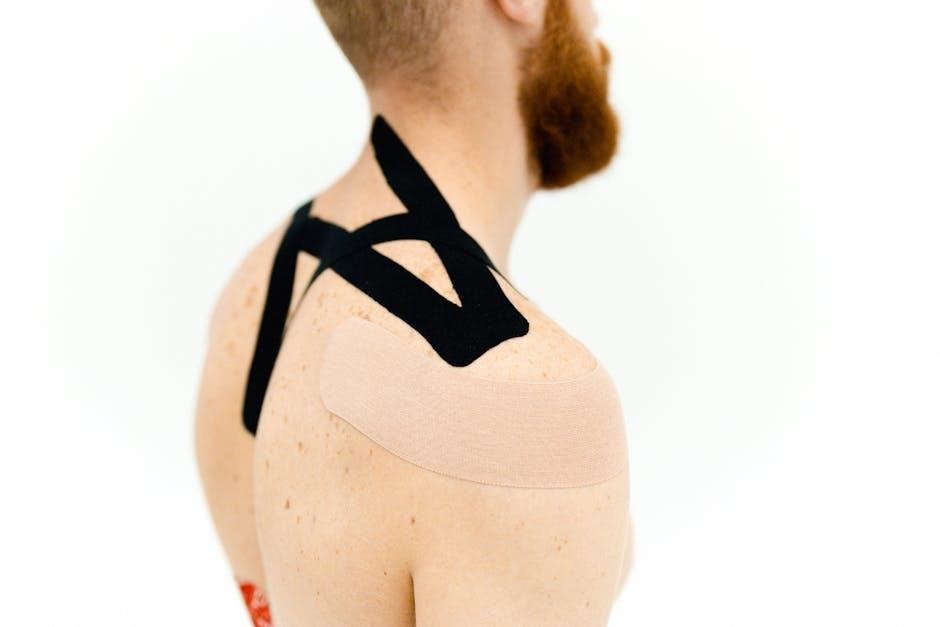
Rows with Resistance Band
Rows with a resistance band are a cornerstone of Phase 3 rehabilitation, detailed in many shoulder bursitis PDF guides․ Secure the band around a stable object at chest height․ Maintaining a good posture – back straight, core engaged – pull the band towards your body, squeezing your shoulder blades together․
Focus on controlled movement, avoiding any shrugging of the shoulders․ Slowly return to the starting position․ This exercise strengthens the muscles responsible for retracting the scapula, improving shoulder stability and function․ Begin with lighter resistance and gradually increase as strength improves․
PDF resources often recommend 3 sets of 10-15 repetitions․ Proper form is paramount; if pain arises, reduce the resistance or modify the exercise․ Consistent performance of rows contributes significantly to restoring full shoulder capability․
Shoulder Abduction
Shoulder abduction, frequently illustrated in shoulder bursitis PDF rehabilitation programs, focuses on lifting the arm away from the body․ Begin standing with your arm at your side, potentially holding a light weight or utilizing a resistance band for added challenge․ Slowly raise your arm outwards, keeping your elbow straight, until it reaches shoulder height․
Maintain a controlled motion, avoiding any jerky movements or compensation with other muscles․ Lower your arm back to the starting position with the same deliberate control․ This exercise targets the deltoid muscle, crucial for shoulder stability and range of motion․
PDF guides typically suggest 3 sets of 10-15 repetitions․ Monitor for pain; adjust the weight or range of motion as needed․ Consistent abduction exercises contribute to restoring functional shoulder movement․
Internal Rotation with Resistance Band
Internal rotation with a resistance band, often detailed in shoulder bursitis PDF guides, strengthens the rotator cuff muscles responsible for inward arm rotation․ Secure a resistance band to a stable object at elbow height․ Stand with your elbow bent at 90 degrees, holding the band end․
Keeping your elbow tucked into your side, slowly rotate your forearm inwards, stretching the resistance band․ Maintain a controlled movement, focusing on engaging the rear deltoid and subscapularis muscles․ Return to the starting position slowly, resisting the band’s pull․
PDF resources recommend 3 sets of 10-15 repetitions․ Adjust band resistance based on your strength level․ This exercise improves shoulder stability and restores a full range of motion․

Additional Considerations
PDF guides emphasize stretching and posture correction alongside exercises; ergonomic adjustments minimize strain, promoting long-term shoulder health and pain reduction․
Stretching Exercises
Stretching plays a vital role in regaining shoulder flexibility and reducing pain associated with bursitis, complementing the exercises found in many PDF rehabilitation guides․ Cross-body shoulder stretches gently improve range of motion; hold for 20-30 seconds, feeling a mild stretch, not pain․ Doorway pectoral stretches open the chest, counteracting rounded shoulders often contributing to impingement․
Sleeper stretches, performed lying on the affected side with the elbow bent at 90 degrees, enhance internal rotation – proceed cautiously․ These stretches should be performed slowly and controlled, avoiding bouncing movements․ PDF resources often illustrate proper form to prevent exacerbating the condition․ Remember to warm up muscles before stretching, and listen to your body, stopping if you experience sharp pain․ Consistent, gentle stretching is key to long-term shoulder health․
Posture Correction
Poor posture significantly contributes to shoulder bursitis, exacerbating impingement and pain; many PDF guides emphasize its importance alongside exercises․ Rounded shoulders and a forward head position compress the shoulder joint, irritating the bursa․ Consciously maintain an upright posture – imagine a string pulling you upwards․
Strengthening back muscles, particularly the rhomboids and trapezius, helps counteract this․ Chin tucks correct forward head posture, while scapular squeezes engage the upper back․ Wall angels, performed with your back flat against a wall, promote proper shoulder alignment․ Regularly check your posture throughout the day, making corrections as needed․ PDF resources often include visual cues for optimal posture․ Addressing postural imbalances is crucial for preventing recurrence and maximizing the benefits of rehabilitation․
Ergonomic Adjustments
Optimizing your workspace and daily activities is vital when managing shoulder bursitis, often detailed within exercises-focused PDF guides․ Ensure your chair provides adequate lumbar support and allows your feet to rest flat on the floor․ Your computer monitor should be at eye level to prevent neck and shoulder strain․
Frequently used items should be within easy reach, minimizing excessive reaching or stretching․ If your job involves repetitive overhead movements, discuss modifications with your employer․ Consider using a headset during phone calls to avoid cradling the phone between your ear and shoulder․ Proper lifting techniques – bending at the knees, keeping your back straight – are essential․ Many PDF resources illustrate ideal ergonomic setups․ Small adjustments can significantly reduce stress on the shoulder joint, complementing your exercise regimen․

Resources & Further Information
PDF guides offer detailed exercises for shoulder bursitis; physiotherapy plays a key role, and prompt medical attention is crucial for persistent pain․
PDF Resources for Shoulder Bursitis
Numerous downloadable PDF resources provide comprehensive guidance on managing shoulder bursitis through targeted exercises․ These documents often detail progressive rehabilitation protocols, mirroring those used in physiotherapy․ You’ll find materials outlining exercises for pain reduction, strengthening, and restoring full shoulder function․
Many PDFs emphasize the importance of gentle movements initially, like pendulum exercises and finger walks, progressing to isometric exercises and resistance band work․ Some resources specifically address shoulder impingement alongside bursitis, offering combined treatment strategies․ Look for materials from reputable sources, such as hospital websites or physiotherapy associations, to ensure accuracy and safety․ These PDFs frequently include illustrations and detailed instructions, making them accessible for home exercise programs․ Remember to consult with a healthcare professional before starting any new exercise regimen, even with guidance from a PDF resource․
Role of Physiotherapy
Physiotherapy plays a vital role in shoulder bursitis recovery, often utilizing exercises detailed in downloadable PDF rehabilitation protocols․ A physiotherapist will conduct a thorough assessment to tailor an exercise program to your specific needs and pain levels․ They’ll guide you through each stage, ensuring correct form and progression, minimizing the risk of re-injury․
PDF resources can supplement physiotherapy sessions, providing a framework for home exercises․ However, a therapist offers personalized instruction and manual therapy techniques that PDFs cannot replicate․ They can address underlying muscle imbalances and movement patterns contributing to bursitis․ Physiotherapy often incorporates strengthening, stretching, and range-of-motion exercises, mirroring those found in standard rehabilitation PDFs, but adapted to your individual response․ Consistent attendance and adherence to the prescribed program are crucial for optimal outcomes, alongside utilizing supplementary PDF guides․
When to Seek Medical Attention
While exercises outlined in PDF rehabilitation guides can effectively manage shoulder bursitis, certain situations necessitate professional medical attention․ Consult a doctor if your pain is severe, unrelenting, or interferes significantly with daily activities, despite following PDF-recommended routines․
Seek immediate care if you experience signs of infection, such as fever, redness, warmth, or increased swelling around the shoulder joint․ A sudden inability to move your arm, or if exercises from a PDF exacerbate your pain, also warrants a medical evaluation․ Don’t self-diagnose or rely solely on PDF resources if symptoms worsen or don’t improve within a reasonable timeframe․ A healthcare professional can accurately diagnose the cause of your shoulder pain and recommend the most appropriate treatment plan, potentially adjusting exercises beyond those found in standard PDFs․