Historically burdened by shame‚ this exploration seeks to dismantle harmful labels and empower individuals through understanding‚ acceptance‚ and self-discovery․
The Problem with the Term “Nymphomania”
The term “nymphomania” carries a deeply problematic history‚ originating as a 19th-century medical diagnosis rooted in misogyny and a fundamental misunderstanding of female sexuality․ It pathologized natural desire‚ framing women with higher sex drives as inherently disordered or even insane․
This label wasn’t based on scientific observation‚ but rather on societal anxieties surrounding female autonomy and sexual expression․ It served to control and suppress women‚ reinforcing patriarchal norms․ The very etymology – linking female desire to the mythical‚ uncontrollable nymphs – implies a loss of reason and a dangerous‚ animalistic nature․
Using this term perpetuates harm‚ reinforcing stigma and hindering genuine understanding․ It invalidates individual experiences and prevents open‚ honest conversations about sexuality․ We must actively reject “nymphomania” and embrace more respectful‚ accurate‚ and nuanced language․
Scope of this Guide: Historical Context & Modern Understanding
This guide offers a comprehensive exploration of the complex history surrounding the stigmatization of female sexual desire‚ tracing its evolution from ancient mythology to modern clinical perspectives․ We will delve into how societal anxieties have shaped perceptions and medical diagnoses‚ specifically examining the damaging legacy of the term “nymphomania․”
However‚ this isn’t solely a historical analysis․ We will also explore contemporary understandings of hypersexuality‚ acknowledging the diverse factors – trauma‚ attachment styles‚ neurological differences – that can contribute to compulsive sexual behaviors․
Crucially‚ we aim to reclaim the power associated with the “priestess” archetype‚ deconstructing harmful stereotypes and celebrating female sexual agency․ This guide provides resources for healing‚ self-compassion‚ and navigating societal stigma‚ fostering a more nuanced and empowering understanding of female sexuality․

Historical Roots: From Mythology to Medicalization
Ancient beliefs and evolving medical theories intertwined‚ shaping perceptions of female sexuality‚ often resulting in control and pathologization of natural expression․
Ancient Greek Nymphs and Their Associations
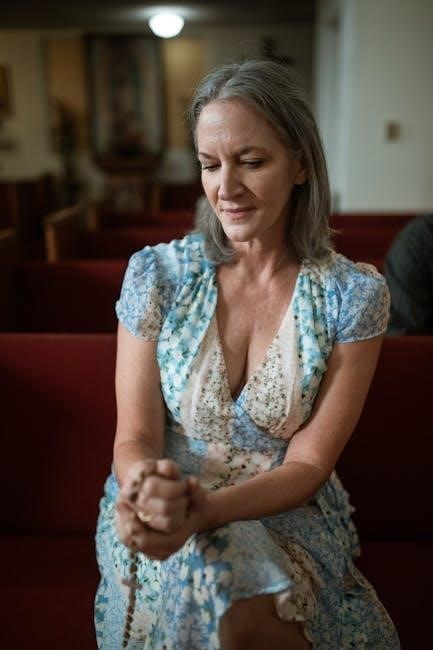
Nymphs in Greek mythology weren’t simply beautiful‚ nature-dwelling spirits; they embodied potent‚ untamed female energy․ Associated with springs‚ rivers‚ groves‚ and mountains‚ they represented the life force of the natural world – a force inherently wild and free․ Their interactions with gods and mortals were often characterized by passionate encounters‚ sometimes consensual‚ sometimes involving coercion․
This duality is crucial․ While revered for their beauty and connection to nature‚ nymphs were also often depicted as dangerous if scorned‚ highlighting a societal ambivalence towards female sexuality․ The very word “nymph” eventually became linked to excessive desire‚ a subtle shift that foreshadowed later medicalized interpretations․ Their power resided in their independence and connection to the earth‚ a stark contrast to the societal expectations placed upon women in ancient Greece․
Medieval and Renaissance Perceptions of Female Desire
During the Medieval period‚ influenced heavily by Christian doctrine‚ female desire was largely viewed with suspicion and often equated with sin‚ particularly lust․ The concept of Eve’s temptation in the Garden of Eden heavily shaped this perception‚ framing female sexuality as inherently dangerous and needing control; However‚ alongside this dominant narrative existed folklore and literature portraying powerful‚ sometimes sexually assertive‚ female figures․
The Renaissance witnessed a complex interplay of these ideas․ While humanist thought began to explore earthly pleasures‚ female desire remained largely within the confines of procreation․ Artistic depictions often romanticized female beauty but rarely acknowledged female agency in sexual matters․ Any expression of desire outside of marriage was frequently condemned‚ contributing to a climate of secrecy and shame surrounding female sexuality‚ subtly laying groundwork for future pathologization․
The 19th-Century Medicalization of Female Sexuality
The 19th century marked a pivotal shift‚ witnessing the explicit medicalization of female sexuality․ Driven by Victorian morality and anxieties surrounding women’s roles‚ physicians began to pathologize any deviation from perceived “normal” female desire․ “Nymphomania” emerged as a formal diagnosis‚ characterized by an insatiable appetite for sex‚ deemed a mental illness requiring treatment – often involving invasive and harmful procedures like clitoridectomy․
This medicalization wasn’t solely about sexual behavior; it was deeply intertwined with controlling women’s bodies and reinforcing patriarchal norms․ Hysteria‚ a catch-all diagnosis‚ frequently overlapped with nymphomania‚ further solidifying the idea that female sexuality was inherently unstable and needed medical regulation․ The rise of psychoanalysis later in the century would continue to explore‚ and often pathologize‚ female sexual desire․

Psychological Perspectives: Beyond the Label
Modern psychology reframes compulsive sexual behaviors‚ focusing on underlying factors like trauma‚ attachment‚ and neurological influences‚ moving past stigmatizing diagnoses․
Understanding Hypersexuality: A Modern Clinical View
The term “hypersexuality” offers a more neutral and clinically relevant descriptor than the historically loaded “nymphomania․” It acknowledges a persistent pattern of intense sexual interest‚ urges‚ and behaviors causing marked distress or impairment in functioning․ This isn’t simply about frequency; it’s about the impact on an individual’s life․
Clinically‚ hypersexuality isn’t currently a formal diagnosis in the DSM-5‚ but is often considered under “Other Specified Sexual Disorder” or assessed within the context of other conditions․ Assessment involves exploring the intensity of urges‚ the degree of control an individual feels they have‚ and the consequences experienced – relational‚ occupational‚ or legal․ It’s crucial to differentiate between healthy‚ consensual sexual expression and problematic‚ compulsive behaviors․ A thorough evaluation considers co-occurring mental health conditions like mood disorders‚ anxiety‚ and personality disorders․
The Role of Trauma in Compulsive Sexual Behaviors
For many individuals‚ compulsive sexual behaviors aren’t driven by inherent desire‚ but rather serve as a coping mechanism for unresolved trauma․ Experiences of childhood abuse – physical‚ emotional‚ or sexual – significantly increase the risk; These behaviors can become a maladaptive attempt to self-soothe‚ regulate overwhelming emotions‚ or regain a sense of control in the aftermath of powerlessness․
Trauma can disrupt the development of healthy attachment patterns and emotional regulation skills‚ leading individuals to seek validation or escape through sexual activity․ Dissociation‚ a common response to trauma‚ can further complicate the picture‚ creating a disconnect between the behavior and conscious awareness․ Recognizing this link is vital; treatment must prioritize trauma-informed care‚ focusing on safety‚ stabilization‚ and processing traumatic memories before addressing the behavioral patterns themselves․
Attachment Styles and Sexual Expression
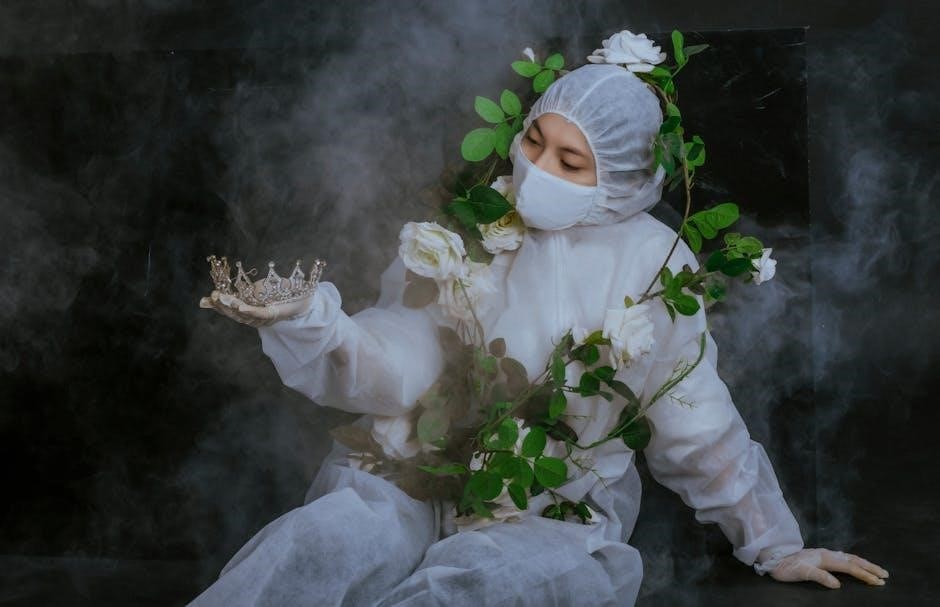
Early childhood experiences profoundly shape our attachment styles – secure‚ anxious-preoccupied‚ dismissive-avoidant‚ and fearful-avoidant – which‚ in turn‚ significantly influence our adult relationships and sexual expression․ Individuals with anxious attachment may seek constant reassurance through sexual activity‚ fearing abandonment if needs aren’t met․ Those with avoidant styles might struggle with intimacy‚ using sex as a way to avoid emotional closeness․
A secure attachment fosters healthy sexual boundaries‚ open communication‚ and mutual respect․ Conversely‚ insecure attachment can contribute to compulsive behaviors‚ difficulty with consent‚ and emotional distress surrounding sex․ Understanding one’s attachment style provides valuable insight into patterns of relating and can be a crucial component of therapeutic work‚ promoting healthier connections and a more fulfilling sexual life․

The “Priestess” Archetype: Power and Agency
Exploring the historical “priestess” reveals a complex figure embodying sacred sexuality‚ power‚ and spiritual connection‚ reclaiming agency often denied to women․
Deconstructing the Romanticized “Priestess” Image
The popular image of the “priestess” – often depicted as a serene‚ ethereal being freely offering sexual favors – is a deeply problematic romanticization․ This portrayal frequently erases the agency and complexity of historical women who held sacred roles․ It simplifies their spiritual practices and reduces them to objects of desire‚ perpetuating harmful stereotypes․
This idealized vision often ignores the rigorous training‚ societal power (or lack thereof)‚ and individual motivations of these women․ It conveniently overlooks the potential for coercion‚ exploitation‚ and the very real political and religious contexts surrounding their positions․ We must critically examine how this romanticized image serves to both exoticize and control female sexuality‚ ultimately hindering a genuine understanding of female power and spirituality․
Deconstruction requires acknowledging the nuances and complexities‚ moving beyond superficial aesthetics to explore the lived experiences and multifaceted roles of priestesses throughout history․
Female Spiritual Leadership and Sexuality Throughout History
Across diverse cultures‚ women have historically occupied positions of spiritual authority‚ often with connections to fertility‚ healing‚ and sexuality․ From the goddesses of ancient Mesopotamia to the Vestal Virgins of Rome‚ and the priestesses of various indigenous traditions‚ female spiritual leaders frequently embodied and regulated sexual energies․
These roles weren’t necessarily about unrestrained sexuality‚ but rather about harnessing and channeling sexual power for communal benefit – ensuring fertility‚ maintaining cosmic balance‚ or facilitating ecstatic religious experiences․ Examining these historical precedents reveals that female sexuality wasn’t inherently suppressed‚ but often integrated into spiritual practices and social structures․
However‚ it’s crucial to acknowledge that patriarchal forces often sought to control or eradicate these traditions‚ demonizing female sexuality and diminishing women’s spiritual authority; Understanding this historical interplay is vital for reclaiming a more accurate and empowering narrative․
Reclaiming Sexual Agency and Empowerment
Moving beyond historical and societal constraints‚ reclaiming sexual agency involves actively defining one’s own desires‚ boundaries‚ and expressions of sexuality‚ free from shame or external judgment․ This isn’t about adhering to any specific script‚ but about cultivating a deep sense of self-awareness and honoring one’s authentic needs․
Empowerment stems from recognizing that sexuality is a natural and healthy aspect of the human experience‚ and that individuals have the right to explore and enjoy it safely and consensually․ It requires dismantling internalized oppression and challenging societal norms that dictate how women “should” behave sexually․
This reclamation process often involves self-exploration‚ boundary setting‚ and cultivating self-compassion․ It’s about owning one’s narrative and refusing to be defined by limiting labels or harmful stereotypes‚ embracing the power inherent in one’s own sensuality․

Addressing Underlying Issues: A Holistic Approach
Genuine healing necessitates exploring emotional roots‚ fostering self-awareness‚ and integrating mind-body practices for lasting well-being and empowered sexual health․
Therapy Options: CBT‚ Psychodynamic‚ and Trauma-Informed Care
Cognitive Behavioral Therapy (CBT) offers practical tools to identify and modify unhelpful thought patterns and behaviors contributing to compulsive sexual actions․ It focuses on the present‚ equipping individuals with coping mechanisms․
Psychodynamic therapy delves into unconscious processes and past experiences‚ exploring how early relationships and unresolved conflicts might influence current sexual expression․ This approach aims for deeper self-understanding․
Trauma-informed care recognizes the profound impact of trauma on sexual behaviors․ It creates a safe‚ non-judgmental space to process past experiences‚ rebuild trust‚ and develop healthy coping strategies․
Eye Movement Desensitization and Reprocessing (EMDR) is often utilized within trauma-informed care to help process distressing memories․ A skilled therapist will tailor the approach to individual needs‚ fostering healing and empowerment․
The Importance of Self-Compassion and Body Positivity
Cultivating self-compassion is paramount in dismantling internalized shame and fostering self-acceptance․ Treat yourself with the same kindness and understanding you would offer a friend facing similar struggles․
Body positivity challenges societal beauty standards and encourages appreciation for your body‚ regardless of shape‚ size‚ or perceived imperfections․ Recognizing your inherent worth‚ separate from external validation‚ is crucial․
Practice mindful self-care – engage in activities that nourish your mind‚ body‚ and spirit․ This could include meditation‚ creative expression‚ spending time in nature‚ or simply enjoying moments of quiet reflection․
Challenge negative self-talk and replace it with affirmations of self-worth․ Remember that healing is a journey‚ not a destination‚ and setbacks are a natural part of the process․ Embrace your vulnerability and celebrate your strength․
Building Healthy Relationships and Boundaries

Establishing clear boundaries is essential for fostering respectful and fulfilling relationships․ This involves communicating your needs‚ limits‚ and expectations assertively and consistently․
Healthy relationships are built on mutual respect‚ trust‚ and open communication․ Seek partners who value your autonomy‚ support your growth‚ and honor your boundaries․
Learn to identify and avoid relationships that are manipulative‚ controlling‚ or emotionally draining․ Prioritize your well-being and surround yourself with individuals who uplift and empower you․
Practice assertive communication – express your thoughts and feelings honestly and directly‚ without aggression or passivity․ Remember that you have the right to say “no” and to protect your emotional and physical space․ Cultivate relationships based on equality and genuine connection․

Navigating Societal Stigma
Confronting pervasive judgment requires courage‚ self-acceptance‚ and actively challenging harmful narratives surrounding sexuality and female expression․
Challenging Shame and Internalized Oppression
The weight of societal judgment‚ particularly regarding female sexuality‚ often manifests as deep-seated shame․ This isn’t an individual failing‚ but a consequence of centuries of patriarchal conditioning and the pathologizing of natural desires․ Recognizing this is the first crucial step towards liberation․
Internalized oppression occurs when individuals adopt the negative beliefs and stereotypes imposed upon them by society․ This can lead to self-criticism‚ secrecy‚ and a diminished sense of self-worth․ Deconstructing these internalized messages requires conscious effort and self-compassion․
Questioning the origins of these beliefs – where did they come from? Who benefits from perpetuating them? – can dismantle their power․ Reframing sexuality as a source of pleasure‚ empowerment‚ and connection‚ rather than something to be feared or suppressed‚ is vital for healing and reclaiming agency․
Finding Supportive Communities
Navigating these complex feelings can feel incredibly isolating‚ but connection is key to healing․ Seeking out supportive communities – both online and in person – provides a safe space to share experiences‚ challenge shame‚ and receive validation․
Look for groups centered around sexual positivity‚ body acceptance‚ trauma recovery‚ or feminist perspectives․ These spaces can offer a sense of belonging and normalize experiences that may feel taboo․ Be mindful of boundaries and ensure the community prioritizes safety and respect․
Therapy groups‚ facilitated by qualified professionals‚ can provide structured support and guidance․ Online forums and social media groups can also be valuable resources‚ but exercise caution and prioritize your well-being․ Remember‚ you deserve to be surrounded by individuals who uplift and empower you․
Advocacy and Education
Challenging the deeply ingrained stigma surrounding female sexuality requires active advocacy and widespread education․ This begins with dismantling harmful language like “nymphomania” and promoting accurate‚ nuanced understandings of desire and sexual expression․
Support organizations working to destigmatize mental health and advocate for sexual liberation․ Share reliable information with your network‚ engage in respectful conversations‚ and challenge misconceptions when you encounter them․
Educate yourself on the historical and societal factors that have contributed to the pathologization of female sexuality․ By becoming informed advocates‚ we can collectively create a more accepting and empowering environment for all individuals to explore and express their sexuality without shame or judgment․ Your voice matters in this crucial shift․
Embracing complexity and rejecting simplistic labels allows for genuine self-acceptance‚ fostering empowerment and celebrating the diverse spectrum of human sexuality․
Moving Beyond Pathologization
The historical framing of intense female sexual desire as a pathology – “nymphomania” – has inflicted lasting harm․ This diagnosis‚ rooted in societal anxieties and patriarchal control‚ served to silence and shame women for expressing their sexuality․ Moving beyond this pathologization requires a fundamental shift in perspective․ We must recognize that a high libido‚ or a strong interest in sexual activity‚ is not inherently a disorder․
Instead‚ it exists on a spectrum of normal human experience․ Focusing solely on frequency or intensity ignores the individual’s context‚ motivations‚ and overall well-being․ A nuanced approach prioritizes consent‚ safety‚ and the individual’s own experience of their sexuality‚ rather than imposing external judgments based on outdated and harmful medical models․ True liberation lies in destigmatizing desire and acknowledging its inherent validity․
Embracing Sexual Complexity
Human sexuality is rarely simple‚ and attempting to categorize it into neat boxes often proves reductive and damaging․ Acknowledging this complexity is crucial for fostering self-acceptance and dismantling internalized shame․ Desire can be fluid‚ multifaceted‚ and influenced by a myriad of factors – emotional states‚ past experiences‚ cultural conditioning‚ and personal preferences․
There isn’t one “right” way to experience or express sexuality․ Embracing this truth allows for exploration without judgment‚ and encourages individuals to define their own boundaries and desires․ Recognizing the interplay between pleasure‚ power‚ vulnerability‚ and spirituality can lead to a richer‚ more fulfilling sexual life․ Letting go of rigid expectations and embracing the inherent messiness of desire is a powerful act of self-liberation․
Resources for Further Exploration

For continued learning and support‚ several resources offer valuable insights․ Books like “Come As You Are” by Emily Nagoski explore the science of female sexuality‚ while “Mating in Captivity” by Esther Perel examines the complexities of long-term relationships․
Online platforms such as Scarleteen provide inclusive and accurate sex education․ The American Association of Sexuality Educators‚ Counselors and Therapists (AASECT) offers a directory of certified professionals․ Consider exploring podcasts focused on sexual wellness and empowerment․ Remember to critically evaluate information and prioritize sources grounded in scientific research and ethical practices․ Seeking guidance from a qualified therapist specializing in sexual health can provide personalized support and facilitate deeper self-understanding․