Coats & Clark Thread Color Chart PDF: A Comprehensive Guide
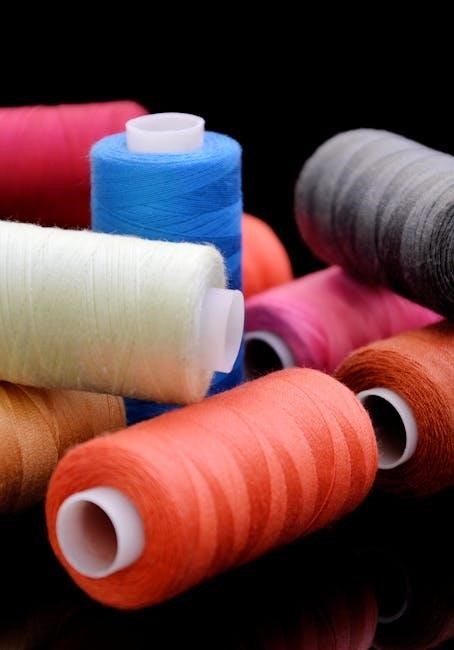
Navigating the world of sewing requires precise color matching, and Coats & Clark thread color charts are essential tools. These charts, often available as PDFs,
provide a visual reference for selecting the perfect thread shade for your fabric projects, ensuring harmonious and professional-looking results.
Coats & Clark has a rich and storied history as a leading manufacturer of sewing thread, dating back to the 19th century. For generations, sewists have relied on the quality and consistency of Coats & Clark threads for a wide range of projects, from simple repairs to intricate quilting and garment construction. The brand’s commitment to innovation and color accuracy has made its thread color charts indispensable resources for crafters of all skill levels.
Understanding the nuances of thread color is crucial for achieving a polished and professional finish. A mismatched thread color can detract from even the most beautifully crafted item. Coats & Clark addresses this need by offering comprehensive color charts, meticulously designed to showcase the full spectrum of available shades. These charts aren’t merely lists of colors; they represent a legacy of expertise in dye technology and a dedication to providing sewists with the tools they need to succeed. The availability of these charts in PDF format further enhances accessibility, allowing users to easily download, print, and reference them whenever and wherever inspiration strikes.
Understanding Thread Color Charts
Thread color charts are visual guides designed to help you select the most appropriate thread color for your fabric and project. They typically present a range of thread colors, often arranged systematically by hue, shade, and family. A well-designed chart will not only display the color itself but also provide a corresponding color number or name for easy identification and reordering. Coats & Clark charts, particularly in PDF format, often include detailed information about each color, such as its composition and recommended uses.
Beyond simply matching colors, understanding how thread color charts work allows for more nuanced choices. Factors like fabric dye lots and lighting conditions can influence how a color appears. Charts help account for these variables. Digital PDF versions offer the advantage of zoom functionality, enabling precise color comparison. Recognizing the chart’s organization – whether by color family or numerical sequence – streamlines the selection process, saving time and ensuring consistent results across your sewing endeavors.
Why Use a Coats & Clark Thread Color Chart?
Employing a Coats & Clark thread color chart, especially the convenient PDF versions, is crucial for achieving professional-quality sewing results. Accurate thread-to-fabric color matching elevates the aesthetic appeal of your projects, creating a seamless and polished finish. Using the correct shade minimizes visible stitching and enhances the overall design. These charts eliminate guesswork, preventing frustrating mismatches that can compromise your work.
Coats & Clark charts offer consistency; referencing the same chart ensures you can reliably recreate colors across multiple projects or replenish thread supplies. The PDF format provides portability and easy access, allowing you to consult the chart anywhere. Furthermore, understanding the nuances of color – considering factors like fabric texture and lighting – is simplified with a detailed chart. Ultimately, a Coats & Clark color chart isn’t just about aesthetics; it’s about precision, efficiency, and achieving lasting, beautiful results in your sewing.
Navigating the Coats & Clark Color System
The Coats & Clark color system, detailed in their charts, utilizes a numbering system for precise identification. Understanding this system, alongside historical color variations, is key to successful project matching.
Historical Overview of Coats & Clark Colors
Coats & Clark boasts a rich history deeply intertwined with the evolution of textile production and sewing practices. Originally separate entities, Coats and Clark merged, bringing together decades of expertise in thread manufacturing and color development. Early Coats & Clark color charts reflected the dye technologies available at the time, often featuring a more limited palette compared to modern offerings.
Throughout the 20th century, advancements in dye chemistry led to an expansion of available colors, mirroring fashion trends and consumer demands. Vintage Coats & Clark charts are now valuable resources for historical sewing projects, offering insight into the color preferences of past eras. However, it’s crucial to acknowledge that some colors have been discontinued over time due to changes in dye formulations or market popularity.
Understanding this historical context is vital when working with older patterns or attempting to replicate antique textiles. Discontinued colors often require careful matching using modern equivalents, a process aided by cross-referencing charts and online databases. The evolution of Coats & Clark’s color range demonstrates a commitment to innovation and responsiveness to the ever-changing world of textiles.
Color Numbering System Explained
Coats & Clark employs a specific numbering system to categorize and identify its vast array of thread colors, facilitating accurate selection and reordering. This system isn’t simply sequential; rather, it’s structured to reflect color families and subtle shade variations within those families. Typically, numbers are grouped by hue – blues, reds, greens, and so on – with increasing numbers indicating darker shades within that hue.
Understanding this logic is key to navigating a Coats & Clark color chart effectively. For instance, colors within the 30s range might represent lighter blues, while those in the 50s or 60s denote deeper navy shades. The PDF charts usually present these numbers alongside visual swatches, allowing for easy comparison.
It’s important to note that the numbering system can sometimes have slight variations depending on the thread type (polyester, cotton, etc.). Therefore, always refer to the specific chart for the thread you are using. Cross-referencing with other brand’s color charts, like DMC, can also be helpful, though direct matches aren’t always possible due to differing dye formulations.
Discontinued Colors & Finding Replacements
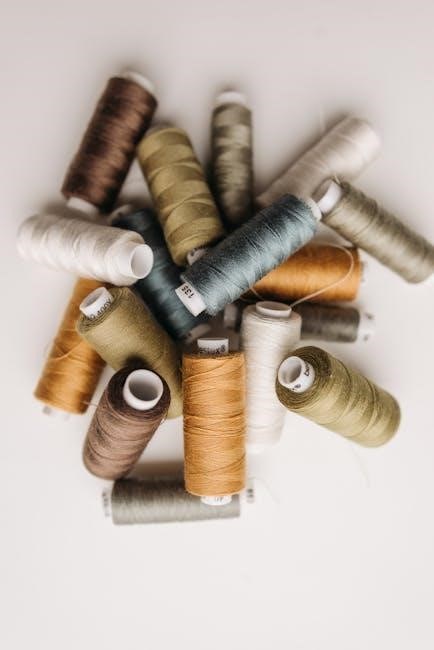
A common challenge for sewists is encountering discontinued Coats & Clark thread colors; Over time, manufacturers retire shades due to low demand or changes in dye availability. When a color is discontinued, finding an exact replacement can be difficult, but not impossible. Older Coats & Clark PDF charts sometimes include “discontinued” notations, or online forums dedicated to sewing often maintain lists of these shades.
The best approach is to consult the most recent Coats & Clark color chart PDF and look for the closest matching color. Consider the fabric’s dye lot; slight variations can make a perfect match elusive. Testing potential replacements on a scrap of the fabric is crucial. Comparing the shades under different lighting conditions is also recommended.
Furthermore, exploring cross-reference charts that map Coats & Clark colors to other brands (like DMC) can offer alternative options. However, remember that dye lots and fiber content can affect the final result, so testing remains essential for a seamless finish.
Accessing Coats & Clark Thread Color Charts
Numerous online resources offer Coats & Clark thread color charts in PDF format. The official website and various third-party sewing sites provide convenient access to these valuable tools.
Where to Find PDF Versions Online
Locating Coats & Clark thread color charts in PDF format is surprisingly accessible thanks to the vibrant online sewing community. A simple web search using keywords like “Coats & Clark thread color chart PDF” will yield a multitude of results. Many dedicated sewing blogs and forums host downloadable charts, often categorized by thread type – polyester, cotton, or specialty threads.
Several websites specialize in providing free sewing resources, and these frequently include comprehensive Coats & Clark color guides. Be sure to verify the chart’s date, as thread colors can be discontinued and updated over time. Pinterest is another excellent source, with numerous pins linking to downloadable PDFs or image-based charts.
However, always exercise caution when downloading files from unfamiliar sources to protect your device from potential malware. Prioritize links from reputable sewing retailers or the official Coats & Clark website whenever possible. Archiving websites, like the Internet Archive’s Wayback Machine, might also contain older versions of color charts that are no longer available elsewhere.
Official Coats & Clark Website Resources
The official Coats & Clark website remains the most reliable source for accurate and up-to-date thread color information, though direct PDF downloads of comprehensive charts aren’t always prominently featured. Instead, the website typically presents color palettes and individual thread color listings alongside product details.
Navigating their online store allows you to browse threads by color family, providing a visual representation of available shades. While a single, downloadable PDF encompassing all colors might be elusive, you can often find color cards or guides associated with specific thread collections. These resources frequently showcase color variations and suggested fabric pairings.
Coats & Clark also provides customer support channels where you can request specific color information or assistance with matching thread to fabric. Checking their “Resources” or “Support” sections may reveal links to downloadable color guides or conversion charts. Regularly visiting the website is recommended, as they periodically update their offerings and resources.
Third-Party Websites & Online Databases
Numerous third-party websites and online databases curate and share Coats & Clark thread color charts in PDF format, offering convenient access for crafters and sewing enthusiasts. These resources often compile information from various sources, including archived charts and user-submitted data, providing a broader spectrum of colors than may be currently available on the official website.
However, it’s crucial to exercise caution when utilizing these external resources. Color accuracy can vary due to differences in screen calibration and image quality. Always cross-reference information with the official Coats & Clark website or a physical color card whenever possible to ensure precise thread selection.
Popular platforms like Etsy, Pinterest, and dedicated sewing forums frequently host downloadable charts. Websites specializing in embroidery floss and thread conversions may also include Coats & Clark color charts alongside DMC or other brand equivalents. Remember to verify the chart’s date and source to confirm its relevance and reliability.
Utilizing the Color Chart Effectively
To achieve optimal results, carefully compare thread shades to your fabric under consistent lighting. Always test the chosen thread on a scrap piece of fabric before starting your project.
Matching Thread to Fabric Colors
Achieving a seamless look in your sewing projects hinges on accurately matching thread color to your fabric. The Coats & Clark thread color chart PDF is invaluable for this process. Begin by identifying the dominant color and undertones within your fabric. Is it a warm or cool shade? Consider the fabric’s texture and finish, as these can influence how color appears.
Hold the thread color chart directly against the fabric in natural light. Avoid fluorescent lighting, which can distort colors. Compare several thread shades to find the closest match. Don’t settle for the first seemingly correct color; subtle differences can be noticeable in the finished product. Remember that a slightly darker thread often blends in better than a lighter one, especially with patterned fabrics.
For patterned fabrics, choose a thread color that complements the most prominent color or a neutral shade that works with multiple colors within the pattern. When working with prints, consider the background color as a starting point. Utilizing the chart’s visual representation allows for informed decisions, minimizing color clashes and maximizing the aesthetic appeal of your sewn items.
Considering Fabric Dye Lots
A crucial, often overlooked aspect of thread matching is accounting for fabric dye lots. Even fabrics of the same color name can exhibit variations between dye lots due to slight differences in the dyeing process. These variations can be subtle, but noticeable when sewing pieces from different dye lots together.
When purchasing fabric for a project, always buy enough to complete it from the same dye lot. The dye lot number is usually printed on the fabric’s selvedge. If you must use fabrics from different dye lots, carefully compare them side-by-side in natural light. Utilize the Coats & Clark thread color chart PDF to select a thread shade that bridges the color difference, creating a more unified appearance.
Testing the thread color on scrap pieces from each dye lot is highly recommended. This allows you to visually assess the match and make adjustments if necessary; A slightly adaptable thread color can minimize the appearance of dye lot variations, resulting in a more polished and professional finish to your sewing project.
Testing Thread Color on Scrap Fabric
Before committing to a thread color for your entire project, always test it on scrap fabric. This simple step can save you considerable frustration and ensure a harmonious color match. Cut scraps from the actual fabric you’ll be using, ideally from areas that represent different parts of the garment or project.
Using the Coats & Clark thread color chart PDF as a guide, wind a few different thread shades onto bobbins. Then, sew a few test seams on your fabric scraps, using your chosen stitch length and tension. Observe the stitched samples in various lighting conditions – natural daylight, indoor lighting, and even artificial light – as colors can appear different depending on the light source.
Compare the thread color to the fabric, looking for a seamless blend. If the thread appears too dark or light, try a slightly different shade from the chart. This testing process guarantees the best possible color match, enhancing the overall aesthetic of your finished project and preventing visible discrepancies.

Types of Coats & Clark Thread & Color Availability
Coats & Clark offers diverse threads – polyester, cotton, and specialty types like metallic or silk. Color ranges vary by thread type, detailed within their comprehensive PDF charts.
All-Purpose Polyester Thread Colors
Coats & Clark’s all-purpose polyester thread is a staple for many sewing projects, celebrated for its strength, minimal stretch, and resistance to abrasion. The color selection within this range is extensive, designed to cater to a broad spectrum of fabric shades and project needs. Examining the Coats & Clark thread color chart PDF reveals a meticulously organized display of these polyester hues.
Typically, the chart presents colors numerically, alongside descriptive names like ‘Bright Red’ or ‘Navy Blue’. These aren’t merely labels; they represent carefully calibrated shades intended for accurate fabric matching. The PDF format allows for a clear, digital representation of these colors, often with close-up views to discern subtle differences. You’ll find a wide array of neutrals – creams, beiges, grays, and blacks – alongside vibrant options spanning the rainbow.
The availability of specific colors can fluctuate, so referencing the most current PDF chart is crucial. Coats & Clark frequently updates its color offerings, sometimes discontinuing shades and introducing new ones to reflect current fashion trends and consumer demand. The all-purpose polyester thread is a versatile choice, suitable for everything from garment construction to quilting and home décor, making a comprehensive color chart an invaluable resource for any sewist.
Cotton Thread Colors & Uses
Coats & Clark’s cotton thread, a classic choice for quilters and those preferring natural fibers, boasts a softer feel and a slightly more subdued sheen compared to polyester. The Coats & Clark thread color chart PDF dedicated to cotton threads showcases a palette often leaning towards traditional and earthy tones, though vibrant options are also available. These charts are essential for achieving harmonious color schemes in projects where a natural aesthetic is desired.
The PDF format allows for detailed examination of the cotton color range, displaying each shade with its corresponding number and name. Cotton thread excels in projects like quilting, embroidery, and hand sewing, where its gentle nature is advantageous. The color chart will typically categorize cotton shades by family – reds, blues, greens, and so on – facilitating easy navigation.
However, it’s important to note that cotton thread isn’t as strong or stretch-resistant as polyester, making it less suitable for garments subjected to significant stress. Regularly consulting the updated PDF chart is vital, as color availability can change. The chart provides a reliable guide for selecting the perfect cotton thread color to complement your fabric and enhance the beauty of your handmade creations.
Specialty Thread Colors (e.g., Metallic, Silk)
Beyond all-purpose and cotton threads, Coats & Clark offers a range of specialty threads, each with unique characteristics and color palettes. The Coats & Clark thread color chart PDF often includes sections dedicated to these premium options, such as metallic and silk threads. Metallic threads, available in gold, silver, and various iridescent shades, add a touch of glamour to embroidery and decorative stitching; The PDF chart displays these colors with a focus on their reflective qualities.
Silk thread, prized for its luxurious sheen and smooth texture, is ideal for delicate embroidery, heirloom projects, and hand sewing fine fabrics. The color chart for silk threads typically features a sophisticated range of muted and rich tones. These specialty thread charts are crucial for visualizing how these unique threads will interact with your fabric.
Accessing the PDF allows for a detailed view of the available colors and their subtle variations. Remember that specialty threads often require different needle types and sewing techniques. Always refer to the chart and product instructions for optimal results, ensuring your project benefits from the unique beauty of these threads;
Interpreting Color Chart Details
Decoding a Coats & Clark thread color chart PDF involves understanding color names, shades, and families. Charts often include conversion guides to other brands, aiding precise matching for projects.
Understanding Color Names & Shades
Coats & Clark thread color charts utilize a diverse range of color names, extending beyond simple descriptions like “red” or “blue.” You’ll encounter evocative names such as “Dusty Rose,” “Golden Honey,” or “Midnight Blue,” which aim to convey subtle nuances in shade and tone. These names aren’t arbitrary; they provide a quick reference point for identifying a specific color within the vast spectrum available.
However, relying solely on color names can be misleading. Shades represent variations in lightness or darkness of a base color. A chart will visually demonstrate these differences, showing how a color transitions from a pale tint to a deep shade. Understanding this is crucial for achieving accurate color matching. For example, several shades of blue might exist, ranging from a light “Sky Blue” to a dark “Navy Blue;”
Furthermore, the perception of color can be subjective and influenced by lighting conditions. A color that appears identical on the chart might look slightly different under fluorescent versus incandescent light. Therefore, always cross-reference the color name with the visual representation on the chart and, ideally, test the thread on a scrap of your fabric (as discussed in a later section) to ensure a perfect match;
Identifying Color Families
Coats & Clark thread color charts strategically group colors into distinct families, simplifying the selection process. These families, typically organized by hue, include reds, oranges, yellows, greens, blues, purples, browns, grays, and blacks. Within each family, you’ll find a gradient of shades and tones, offering a comprehensive range of options.
Recognizing color families is particularly helpful when you’re seeking a harmonious palette for your project. If you’re working with a fabric that has multiple colors, identifying the dominant color family will guide you toward threads that complement it effectively. For instance, if your fabric features shades of teal and turquoise, focusing on the blue-green color family will yield the most suitable thread matches.
Charts often visually delineate these families with clear boundaries or color blocks. Some charts may also indicate sub-families, such as “warm reds” versus “cool reds,” providing even greater precision. Utilizing this organizational structure allows you to quickly narrow down your choices and efficiently locate the perfect thread color for your creative endeavors, saving time and ensuring a cohesive aesthetic.
Reading Color Conversion Charts (e.g., DMC)
Many sewists utilize thread from various brands, necessitating color conversion charts. These charts bridge the gap between Coats & Clark’s numbering system and those of other manufacturers, like DMC, a popular embroidery floss brand. Understanding how to interpret these charts is crucial for consistent results when switching between thread types or brands.
Conversion charts typically present a table format, listing Coats & Clark color numbers in one column and their closest DMC equivalents in another. It’s important to note that exact matches are rare; conversions represent the nearest corresponding shade. Slight variations may occur due to differences in dye lots and thread composition.
When using a conversion chart, always double-check the shade visually, if possible, especially for critical projects. Online resources and digital charts often allow for zooming and detailed color comparisons. Remember that screen calibration can affect color perception, so a physical comparison is ideal. Utilizing these charts expands your thread options while maintaining color harmony across your projects, regardless of the brand you choose.