Understanding Pre-Cooked Prime Rib
Pre-cooked prime rib offers convenience‚ arriving fully prepared and ready for reheating‚ saving significant kitchen time during busy holidays or gatherings.
Purchasing pre-cooked options provides a delicious centerpiece without the extensive roasting process‚ ensuring a tender and flavorful meal with minimal effort.
What is Pre-Cooked Prime Rib?
Pre-cooked prime rib represents a significant convenience in meal preparation‚ offering a high-quality cut of beef that has already undergone the initial roasting process. Essentially‚ it’s a prime rib roast that has been slow-cooked to a desired level of doneness – often rare or medium-rare – and then chilled.
This doesn’t mean it’s ready to eat straight from the refrigerator; it requires reheating to restore optimal temperature and tenderness. Many providers offer fully prepared and ready-to-heat meals‚ streamlining the dining experience. The benefit lies in drastically reducing cooking time‚ making it ideal for those seeking a gourmet meal without the hours of roasting.
It’s a fantastic option for holidays or when you want a show-stopping centerpiece without the kitchen commitment!
Benefits of Buying Pre-Cooked
Purchasing pre-cooked prime rib delivers substantial time savings‚ eliminating the lengthy roasting process typically associated with this premium cut. This is particularly advantageous during busy holiday seasons or when hosting gatherings‚ allowing you to focus on other aspects of entertaining.
Beyond convenience‚ pre-cooked options often guarantee consistent quality and tenderness‚ as the initial cooking is handled by professionals. It minimizes the risk of undercooking or overcooking‚ ensuring a flavorful result. You can easily reheat to your preferred temperature.
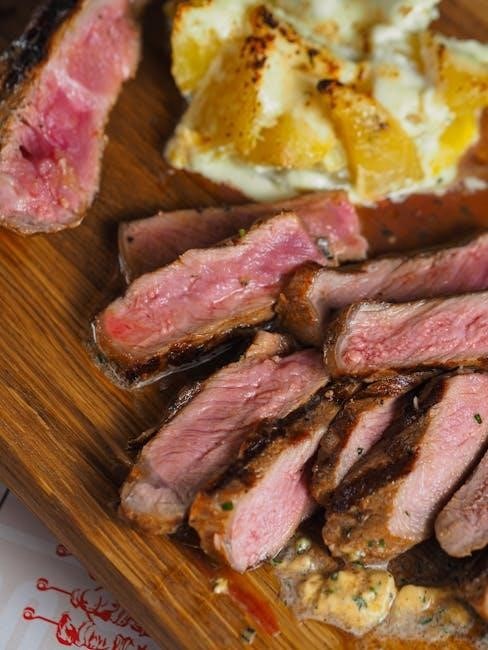
Furthermore‚ it reduces kitchen stress and cleanup‚ making a delicious‚ impressive meal surprisingly accessible!
Reheating Methods: An Overview
Reheating pre-cooked prime rib can be achieved through oven‚ microwave‚ or sous vide methods‚ each offering varying levels of convenience and precision for optimal results.
Oven Reheating: The Preferred Method
Oven reheating is widely considered the best approach for pre-cooked prime rib‚ ensuring even heating and maintaining juiciness. Begin by placing the roast in a pan‚ covered securely with foil to trap moisture. A preheated oven to 300°F (150°C) is ideal‚ allowing gentle warming without overcooking.
For slices‚ 250°F is recommended. Monitoring the internal temperature is crucial; reheating isn’t about cooking‚ but restoring warmth. This method prevents dryness‚ a common issue with quicker techniques. Patience is key – allow ample time for thorough heating‚ resulting in a tender and flavorful final product.
Optimal Oven Temperature for Reheating
Maintaining a low and slow temperature is paramount when reheating pre-cooked prime rib in the oven. The ideal range is between 250°F (121°C) and 300°F (150°C)‚ depending on whether you’re reheating the entire roast or individual slices. Lower temperatures‚ like 250°F‚ are best for slices‚ preventing them from drying out.
For a whole roast‚ 300°F offers a balance between speed and moisture retention. Avoid higher temperatures‚ as they can lead to uneven heating and a tough‚ overcooked exterior. Consistent‚ gentle heat ensures the prime rib is warmed through without compromising its tenderness and flavor.
Using a Meat Thermometer
A meat thermometer is crucial for accurately reheating pre-cooked prime rib‚ guaranteeing it reaches a safe and enjoyable temperature. Insert the thermometer into the thickest part of the roast‚ avoiding bone. Regularly monitor the internal temperature throughout the reheating process.
Target temperatures vary based on desired doneness – 120-125°F (49-52°C) for rare‚ 130-135°F (54-57°C) for medium-rare‚ and 140-145°F (60-63°C) for medium. Remember‚ the temperature will continue to rise slightly after removing it from the oven (carryover cooking)‚ so remove it a few degrees before your target.
Microwave Reheating: Quick and Convenient
Microwave reheating is the fastest option for pre-cooked prime rib‚ ideal when time is limited. Place prime rib slices in a microwave-safe dish with a few tablespoons of beef broth to maintain moisture. Cover the dish loosely with plastic wrap‚ venting slightly to prevent steam buildup.
Reheat in short intervals – 2-minute bursts at 30% power – checking the temperature between each interval. This prevents overcooking and ensures even heating. Be mindful that microwaves can create hot spots‚ so rotating the dish is recommended. Aim for an internal temperature of 120-145°F‚ depending on preference.
Power Level and Time Intervals
Optimal microwave reheating of pre-cooked prime rib hinges on low power and short intervals. Utilizing a 30% power level is crucial; higher settings will likely result in a dry‚ tough roast. Begin with 2-minute intervals‚ carefully monitoring the meat’s temperature after each cycle.
Avoid prolonged‚ continuous heating. The goal is gentle warming‚ not further cooking. For thicker slices‚ extend intervals slightly‚ but always prioritize gradual heating. Remember‚ rare prime rib is already close to body temperature‚ requiring minimal additional heat. Patience is key to preserving tenderness and flavor.
Adding Moisture for Best Results
Reheating pre-cooked prime rib often leads to dryness‚ making moisture addition essential. Incorporate a few tablespoons of beef broth or au jus alongside the slices in a microwave-safe dish. This creates steam‚ helping to retain the meat’s natural juices and prevent it from becoming tough.
Covering the dish tightly with a microwave-safe lid or plastic wrap further traps moisture. Ensure the wrap is vented to allow some steam to escape. This technique is particularly vital for leaner cuts or when reheating for extended periods. Consistent moisture yields a more succulent and flavorful result.
Sous Vide Reheating: Precision and Tenderness
Sous vide reheating offers unparalleled control for pre-cooked prime rib‚ ensuring even temperature and exceptional tenderness. Seal the prime rib slices in vacuum-sealed bags‚ potentially with a touch of beef broth or herbs for added flavor.
Immerse the sealed bags in a water bath maintained at your desired final temperature – typically 130°F for medium-rare. Reheating time varies based on thickness‚ generally 30-60 minutes. This method prevents overcooking and guarantees a consistently juicy‚ restaurant-quality result‚ preserving the prime rib’s inherent qualities.
Water Bath Temperature Control
Precise temperature control is paramount when utilizing the sous vide method for reheating pre-cooked prime rib. Maintaining a consistent water bath temperature ensures even heating throughout the meat‚ preventing any overcooked or undercooked portions.
For rare prime rib‚ aim for 120°F ‒ 130°F‚ medium-rare at 130°F ‒ 140°F‚ and medium around 140°F ‒ 150°F. Utilize a reliable immersion circulator to maintain accuracy. Regularly monitor the water temperature and adjust as needed‚ guaranteeing a perfectly reheated‚ tender‚ and flavorful prime rib experience.
Sealing and Reheating Process
Proper sealing is crucial for successful sous vide reheating. Place the pre-cooked prime rib slices‚ along with a touch of beef broth or au jus for added moisture‚ into a vacuum-seal bag. Remove all air to ensure efficient heat transfer and prevent water from entering.
Submerge the sealed bag in the preheated water bath‚ ensuring it’s fully immersed. Reheat for approximately 20-30 minutes‚ depending on thickness and desired temperature. After reheating‚ briefly sear the prime rib in a hot pan to restore a flavorful crust‚ enhancing the overall dining experience.
Preparing the Prime Rib for Reheating
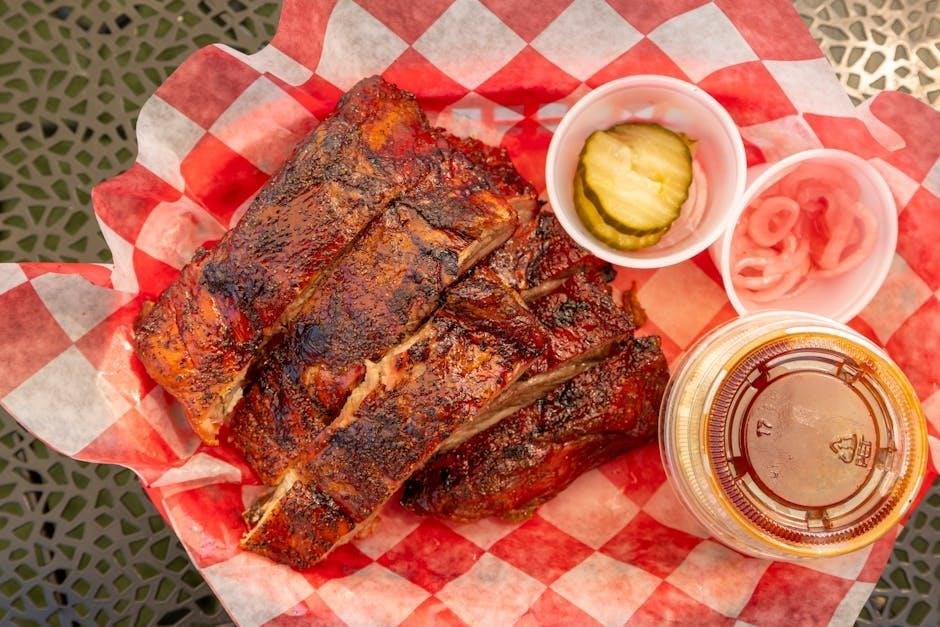
For optimal results‚ consider slicing the prime rib before reheating‚ or reheating it whole and slicing afterward. Adding broth or au jus maintains moisture.
Select a pan suitable for oven reheating‚ ensuring even heat distribution for a consistently warmed and flavorful final product.
Slicing vs. Reheating Whole
Deciding whether to slice the pre-cooked prime rib before reheating or to reheat it whole depends on your preference and reheating method. Slicing beforehand‚ particularly for oven reheating at 250°F‚ allows for more even and gentle warming of each piece.
This approach minimizes the risk of overcooking the outer edges while the center remains cool. However‚ reheating whole can help retain more moisture initially‚ though it requires careful monitoring to prevent dryness.
If reheating whole‚ allow for a longer‚ slower process and consider basting with broth. Ultimately‚ slicing offers convenience and controlled reheating‚ while keeping it whole prioritizes initial moisture retention.
Adding Moisture: Broth or Au Jus
Reheating pre-cooked prime rib often leads to dryness‚ making moisture addition crucial. Incorporating beef broth or au jus during reheating combats this‚ ensuring a juicy and flavorful result. When microwaving‚ adding a few tablespoons of broth to the bowl alongside the slices is highly recommended.
For oven reheating‚ placing the prime rib in a pan with a shallow layer of broth or au jus creates a steaming effect‚ preventing it from drying out.
Basting occasionally during oven reheating further enhances moisture retention. This simple step significantly improves the texture and overall enjoyment of the reheated prime rib.
Proper Pan Selection
Choosing the right pan is vital when reheating pre-cooked prime rib‚ impacting both even heating and moisture retention. For oven reheating‚ a roasting pan or oven-safe dish with sufficient depth to hold a shallow layer of broth is ideal. Avoid using disposable aluminum pans‚ as they may not distribute heat evenly.
When microwaving‚ a microwave-safe dish is essential. Glass or ceramic dishes work well‚ ensuring even heat penetration.
Regardless of the method‚ ensure the pan isn’t overcrowded‚ allowing for consistent temperature throughout the prime rib during the reheating process.
Temperature Guidelines for Reheating
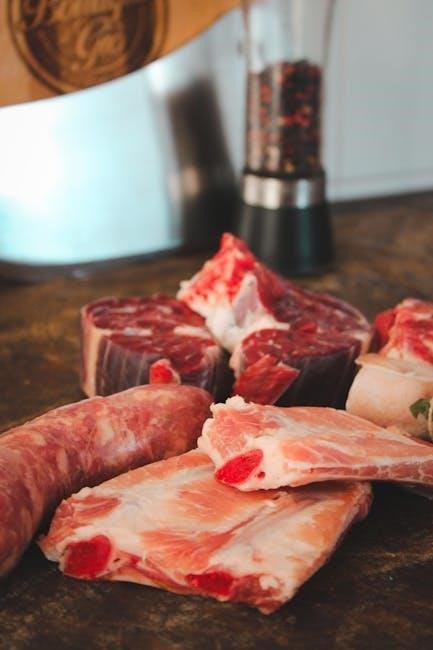
Reheating temperatures depend on your preferred doneness. Aim for 120°F for rare‚ 130-135°F for medium-rare‚ and 140-145°F for medium prime rib.
Rare Prime Rib Reheating Temperatures
For rare pre-cooked prime rib‚ maintaining a lower reheating temperature is crucial to prevent overcooking and preserve its delicate tenderness. The ideal internal temperature to target during reheating is approximately 120°F (49°C). Remember that rare prime rib is already cooked to this temperature‚ or very close to it‚ initially.
When reheating‚ monitor the internal temperature closely with a reliable meat thermometer. Utilize gentle reheating methods like a low oven (250°F/120°C) or sous vide to ensure even heating without exceeding the desired temperature. Avoid prolonged exposure to high heat‚ as this will result in a loss of juiciness and a tougher texture. Reaching just above body temperature is key!
Medium-Rare Prime Rib Reheating Temperatures
Reheating medium-rare pre-cooked prime rib requires careful attention to temperature to maintain its desirable pink center and juicy texture. Aim for an internal temperature of around 130-135°F (54-57°C) during the reheating process. This range ensures the prime rib remains tender and flavorful‚ avoiding overcooking that can lead to dryness.
Employ gentle reheating methods like a 300°F (150°C) oven with added moisture‚ or consider sous vide for precise temperature control. Regularly check the internal temperature with a meat thermometer‚ especially when using the microwave‚ utilizing short bursts at low power. Avoid exceeding 140°F to preserve the medium-rare quality.
Medium Prime Rib Reheating Temperatures
Reheating pre-cooked prime rib to medium requires reaching an internal temperature of 140-145°F (60-63°C). This ensures a slightly pink center‚ offering a balance between tenderness and a more thoroughly cooked texture. Gentle reheating is crucial; a 250°F (121°C) oven is ideal‚ preventing excessive drying.
Monitor the temperature closely with a meat thermometer‚ adding beef broth or au jus to maintain moisture. Microwave reheating should be done in short intervals at 30% power. Avoid overshooting the target temperature‚ as medium prime rib can become tough if overcooked. Consistent monitoring guarantees a flavorful and satisfying result.
Troubleshooting Common Issues
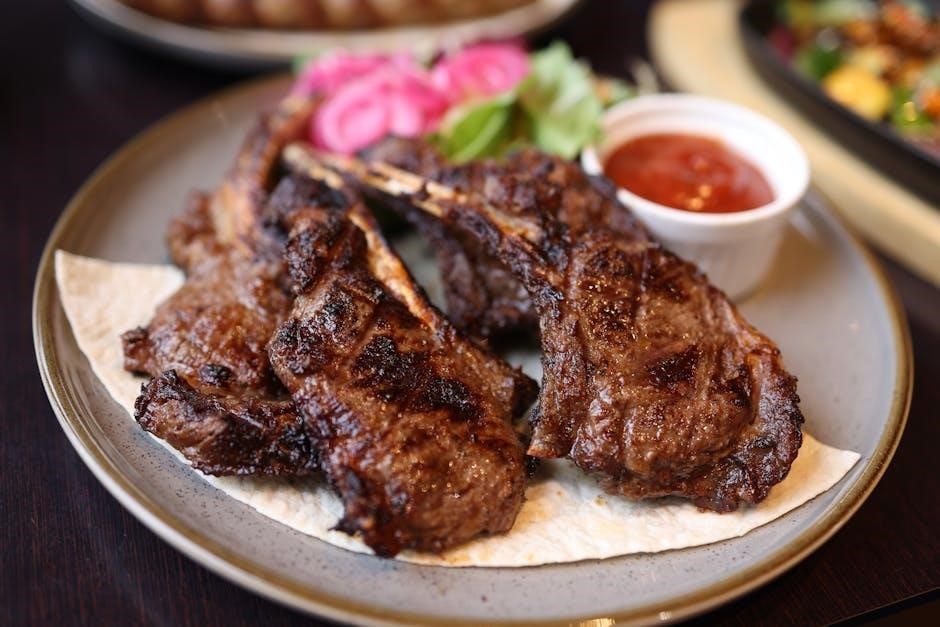
Dryness can be countered with added broth during reheating‚ while uneven heating is best addressed by lower temperatures and consistent monitoring.
Dryness During Reheating
Reheating pre-cooked prime rib can unfortunately lead to dryness if not approached carefully. The key is to introduce moisture back into the meat during the process. A simple solution involves adding a few tablespoons of beef broth or au jus to the pan alongside the prime rib slices.
Covering the pan tightly with aluminum foil is also crucial‚ creating a steamy environment that helps retain moisture. When microwaving‚ utilize low power settings (30% is often recommended) and short intervals (2-minute increments) to prevent overcooking. Remember‚ prime rib is already cooked‚ so you’re aiming to warm it through‚ not cook it further.
Consistent monitoring with a meat thermometer is vital to avoid exceeding the desired internal temperature.
Uneven Heating
Uneven heating is a common challenge when reheating pre-cooked prime rib‚ particularly with thicker slices or when using a microwave. To mitigate this‚ ensure the prime rib is sliced to a consistent thickness before reheating. This promotes more uniform heat penetration throughout the meat.
When oven reheating‚ rotating the pan halfway through the process helps distribute heat evenly. For microwave reheating‚ arrange the slices in a single layer and pause intermittently to redistribute them.
Utilizing a lower power setting and longer reheating time also encourages more consistent warming. Always check the internal temperature in multiple spots to guarantee it’s reached the desired level throughout.
Serving Suggestions for Reheated Prime Rib
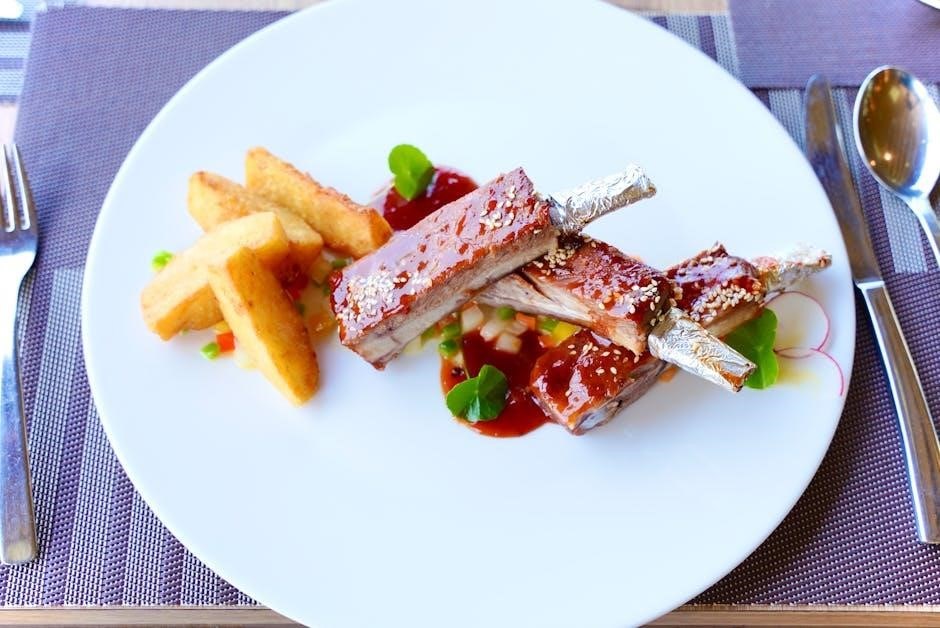
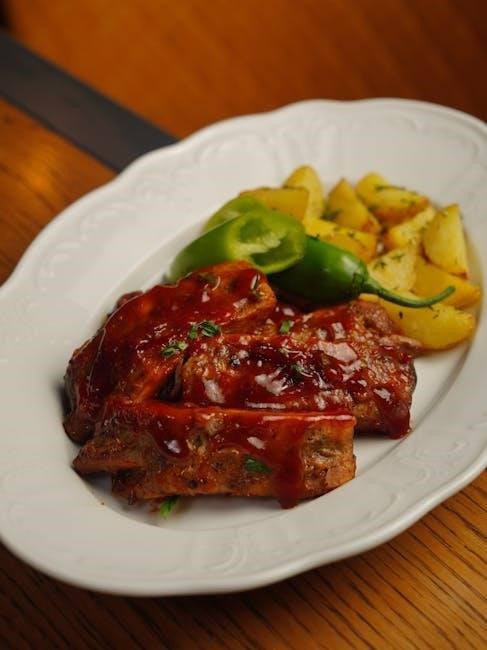
Reheated prime rib pairs wonderfully with classic sides like mashed potatoes‚ green beans‚ and Yorkshire pudding‚ elevating your meal to a festive feast!
Complement the rich flavor with horseradish sauce‚ au jus‚ or a red wine reduction for a truly delightful dining experience.
Classic Side Dishes
Complementing your reheated prime rib with traditional sides enhances the overall dining experience. Creamy mashed potatoes‚ ideally infused with garlic and butter‚ provide a comforting base. Roasted vegetables‚ such as Brussels sprouts or carrots‚ offer a delightful sweetness and textural contrast.
Yorkshire pudding‚ a British staple‚ is a fantastic accompaniment‚ perfect for soaking up the flavorful juices. Don’t overlook a vibrant green vegetable like asparagus or green beans‚ adding freshness to the plate. A simple side salad with a light vinaigrette can also balance the richness of the prime rib. Consider scalloped potatoes or a creamy potato gratin for an extra indulgent touch!
Sauces and Condiments
Elevate your reheated prime rib with carefully selected sauces and condiments. A classic horseradish sauce‚ offering a spicy kick‚ is a traditional pairing. Au jus‚ made from the prime rib’s drippings or beef broth‚ provides a rich and savory dipping option.
Creamy béarnaise sauce‚ with its tarragon-infused flavor‚ adds a touch of elegance. For a bolder taste‚ consider a red wine reduction or a mushroom gravy. Simple condiments like Dijon mustard or coarse sea salt can also enhance the natural flavors of the beef. A dollop of garlic herb butter melting over the slices is always a welcome addition!
Safety Considerations
Proper food handling is crucial when reheating prime rib; ensure thorough heating to a safe internal temperature and promptly refrigerate leftovers to prevent bacterial growth.
Proper Food Handling
Maintaining food safety is paramount when dealing with pre-cooked prime rib. Always wash your hands thoroughly with soap and water before and after handling the meat. Ensure all surfaces and utensils that come into contact with the prime rib are clean and sanitized to avoid cross-contamination.
When reheating‚ use a food thermometer to verify the internal temperature reaches a safe level‚ typically 145°F (63°C)‚ to eliminate any potential harmful bacteria. Avoid leaving the prime rib at room temperature for extended periods‚ as this can encourage bacterial growth. Promptly refrigerate any leftovers within two hours.
Proper storage in airtight containers will help maintain quality and prevent spoilage‚ ensuring a safe and enjoyable dining experience.
Storage of Leftovers
Proper storage is crucial for maintaining the quality and safety of leftover pre-cooked prime rib. Immediately after your meal‚ cool the remaining slices quickly – dividing larger portions into smaller containers accelerates this process.
Store the prime rib in airtight containers or tightly wrapped in plastic wrap and aluminum foil within two hours of cooking to prevent bacterial growth. Refrigerated leftovers are best consumed within 3-4 days for optimal flavor and texture.
For longer storage‚ freezing is an excellent option; properly wrapped‚ it can last for several months without significant quality loss.